
Introduction
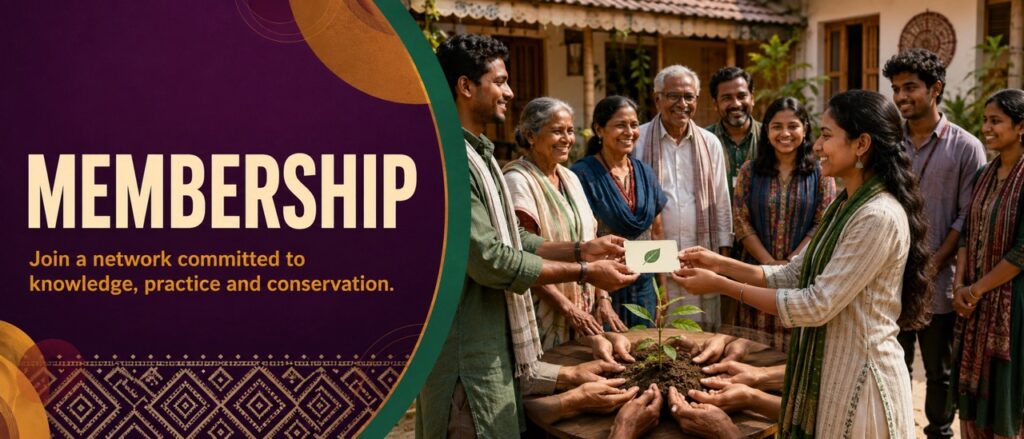
Membership of Hodopathy is envisioned as an inclusive, ethical, knowledge-focused membership ecosystem that brings together practitioners, knowledge holders, students, researchers, educators, conservationists, community contributors, institutions, and individuals interested in the responsible development and preservation of Hodopathy-related knowledge.
Membership should be more than a registration form or digital badge. It should create a structured pathway for learning, participation, research, knowledge conservation, community engagement, professional development, collaboration, and responsible innovation.
The membership framework should also recognize that people contribute to Hodopathy in different ways. A community knowledge holder, a student, a researcher, a botanist, an educator, a conservation practitioner, and a technology specialist may have very different roles and qualifications.
Therefore, membership should not imply that every member is a healthcare professional, researcher, practitioner, or expert, nor should membership itself be treated as evidence that any health, nutritional, botanical, or traditional claim has been scientifically validated.
Core Principle
Welcome people, respect knowledge, recognize contribution, protect communities, encourage learning, support research, evaluate evidence responsibly, and build a sustainable knowledge network.
1. Vision of Hodopathy Membership
The long-term vision is to create a connected ecosystem:
Members → Community → Knowledge Holders → Practitioners → Students → Educators → Researchers → Scientists → Conservationists → Institutions
Membership can provide pathways for individuals to move from learning and participation toward deeper research, education, conservation, and community leadership.
The system can support:
- Knowledge sharing
- Traditional knowledge conservation
- Research participation
- Education and training
- Practitioner networking
- Student mentorship
- Plant and biodiversity conservation
- Community programmes
- Scientific collaboration
- Digital knowledge preservation
- Evidence literacy
- Professional development
- Responsible innovation
2. What Does Membership Mean?
Membership represents a person’s or organization’s participation in the Hodopathy knowledge ecosystem.
Depending on the membership category, a member may:
- Learn through courses and workshops
- Participate in community activities
- Contribute knowledge
- Support conservation
- Conduct or assist with research
- Mentor students
- Join professional networks
- Participate in field projects
- Contribute to publications
- Support digital documentation
- Collaborate with institutions
- Participate in ethical knowledge-preservation initiatives
Membership should always clearly state the member’s role and scope.
3. Who Can Become a Member?
Membership can be designed for a wide range of contributors.
Students
Students interested in:
- Hodopathy
- Traditional knowledge
- Plant science
- Biodiversity
- Research
- Nutrition
- Environmental studies
- Data science
- Documentation
- Conservation
Practitioners
Practitioners can join to:
- Share expertise
- Access training
- Participate in research
- Connect with communities
- Find collaboration opportunities
Knowledge Holders
Traditional and community knowledge holders can participate in:
- Knowledge preservation
- Oral-history programmes
- Plant documentation
- Community research
- Cultural education
- Intergenerational learning
Researchers
Researchers can use membership to:
- Build collaborations
- Identify field expertise
- Develop research projects
- Access appropriate knowledge resources
- Participate in conferences and research networks
Educators and Trainers
Educators can contribute through:
- Courses
- Workshops
- Mentoring
- Educational resources
- Evidence-literacy programmes
Conservationists
Members involved in conservation can participate in:
- Native plant conservation
- Herbal gardens
- Nurseries
- Biodiversity monitoring
- Sustainable harvesting
- Seed conservation
Institutions and Organizations
Institutions may join as organizational members to support:
- Research
- Education
- Conservation
- Community programmes
- Knowledge documentation
- Collaborative projects
4. Membership Categories
A structured membership system can include different categories according to the member’s role.
4.1 Individual Member
For individuals interested in learning, participation, networking, or supporting Hodopathy initiatives.
Suitable for:
- Students
- Learners
- Community participants
- General members
- Independent contributors
4.2 Student Member
Designed for students participating in education and research.
Benefits may include:
- Student learning resources
- Training opportunities
- Workshops
- Mentorship
- Research projects
- Student community
- Research challenges
- Academic networking
4.3 Knowledge Holder Member
For individuals recognized for their contribution to traditional or community knowledge.
The membership model should respect:
- Community ownership
- Cultural context
- Consent
- Attribution
- Knowledge restrictions
- Benefit sharing
Formal academic credentials should not be required where community-based expertise is the relevant form of knowledge.
4.4 Practitioner Member
For practitioners working in relevant fields.
Possible areas include:
- Traditional knowledge
- Plant knowledge
- Herbal cultivation
- Nutrition education
- Conservation
- Community work
- Research
- Education
Membership should not automatically imply professional licensing or clinical authorization.
4.5 Research Member
For researchers and scientists contributing to Hodopathy-related research.
Possible fields include:
- Botany
- Ethnobotany
- Phytochemistry
- Nutrition science
- Environmental science
- Biology
- Laboratory research
- Data science
- Statistics
- Digital humanities
- AI and knowledge systems
4.6 Educator Member
For teachers, trainers, mentors, and academic contributors.
Educator members can support:
- Courses
- Workshops
- Research training
- Evidence literacy
- Scientific writing
- Community education
- Student mentorship
4.7 Conservation Member
For people actively involved in:
- Biodiversity conservation
- Native plants
- Medicinal plant conservation
- Herbal gardens
- Nurseries
- Sustainable harvesting
- Ecological restoration
4.8 Institutional Member
For:
- Universities
- Research organizations
- Community organizations
- NGOs
- Educational institutions
- Conservation organizations
- Laboratories
- Cultural organizations
Institutional membership can enable organizational collaboration while maintaining clear accountability for individual contributors.
4.9 Supporting Member
Individuals or organizations may support Hodopathy’s broader objectives without participating directly in research or practice.
Their contribution may support:
- Conservation
- Education
- Digital archives
- Community programmes
- Scholarships
- Research infrastructure
5. Membership Levels
A future membership structure can provide progressive participation.
Level 1 — Explorer
For people beginning to learn about Hodopathy.
Focus:
Learn → Discover → Participate
Level 2 — Contributor
For members actively contributing knowledge, documentation, education, or conservation activities.
Focus:
Learn → Contribute → Collaborate
Level 3 — Professional
For experienced practitioners, educators, researchers, or specialists.
Focus:
Practice → Research → Mentor → Collaborate
Level 4 — Research Member
For members actively involved in structured research.
Focus:
Investigate → Analyze → Publish → Replicate
Level 5 — Institutional Partner
For organizations participating in larger programmes.
Focus:
Collaborate → Support → Develop → Sustain
These levels should describe participation and engagement, not rank human beings or establish scientific superiority.
6. Membership Journey
A clear member journey can be structured as:
Discover → Apply → Review → Join → Learn → Participate → Contribute → Collaborate → Research → Share → Advance
Each stage can provide appropriate opportunities.
Discover
Learn about Hodopathy’s purpose, principles, research framework, conservation programmes, and community approach.
Apply
Select an appropriate membership category.
Review
Basic information can be reviewed according to the membership type.
Join
Receive access to the appropriate member environment.
Learn
Access courses, workshops, resources, and evidence-literacy materials.
Participate
Join community and conservation activities.
Contribute
Submit appropriate knowledge, research, observations, or educational resources.
Collaborate
Connect with practitioners, researchers, students, and institutions.
Advance
Participate in advanced research, mentorship, leadership, or specialized programmes.
7. Membership Benefits
Membership benefits should focus on meaningful participation rather than promotional claims.
Potential benefits include:
Learning
- Courses
- Workshops
- Webinars
- Research-method training
- Evidence-literacy resources
- Scientific communication training
Networking
- Practitioner directory
- Research network
- Student community
- Knowledge-holder network
- Conservation network
Research
- Research opportunities
- Collaboration forums
- Project participation
- Research challenges
- Data and documentation initiatives
Conservation
- Plant conservation programmes
- Herbal garden projects
- Biodiversity activities
- Sustainable harvesting initiatives
Professional Development
- Mentorship
- Continuing learning
- Workshops
- Research writing
- Collaboration opportunities
8. Member Dashboard
A future digital membership platform can provide each member with a personalized dashboard.
Dashboard Components
Profile
- Membership category
- Expertise
- Interests
- Languages
- Contributions
Learning
- Enrolled courses
- Workshops
- Learning progress
- Certificates where applicable
Research
- Projects
- Research interests
- Collaborations
- Publications
Community
- Groups
- Discussions
- Events
- Mentorship
Conservation
- Projects
- Field activities
- Contributions
- Plant conservation initiatives
Notifications
- Training events
- Research opportunities
- Community announcements
- New publications
9. Member Profile
A member profile should be transparent and structured.
Possible fields include:
- Name
- Membership category
- Professional or community role
- General location
- Areas of interest
- Areas of expertise
- Qualifications where relevant
- Experience
- Training completed
- Research interests
- Conservation activities
- Publications
- Community contributions
Members should control which personal information becomes publicly visible.
10. Membership and Practitioner Directory
Membership can connect directly with the Practitioner Directory of Hodopathy.
However, the two systems should remain conceptually distinct.
Membership indicates participation.
Practitioner Directory listing describes professional, community, research, or practical expertise.
Therefore:
Being a member does not automatically mean being a verified practitioner.
Where appropriate, qualified members may separately apply for practitioner-directory listing and verification.
11. Membership and Knowledge Holders
The membership programme should provide a respectful pathway for knowledge holders.
Knowledge-holder membership can include:
- Community recognition
- Oral-history participation
- Plant knowledge documentation
- Traditional food documentation
- Ecological knowledge
- Intergenerational teaching
- Community research
Knowledge holders should retain appropriate control over how their knowledge is documented, shared, attributed, and used.
12. Ethical Knowledge Contribution
Members contributing traditional or community knowledge should be provided with clear information about:
- Why the knowledge is being collected
- How it will be used
- Who may access it
- How attribution will work
- Whether it may be published
- Whether commercial use is contemplated
- What withdrawal or correction mechanisms exist
- How community rights will be respected
No member should be pressured to disclose sensitive knowledge.
13. Knowledge Access and Membership
Membership should not automatically grant unrestricted access to all Hodopathy knowledge resources.
Access can be organized as:
Open → Member → Community → Research → Restricted → Protected
Sensitive knowledge should receive stronger controls.
This is especially important for:
- Traditional medicinal knowledge
- Sacred knowledge
- Community-specific information
- Sensitive biodiversity locations
- Proprietary research
- Personal data
14. Membership and Research
Members can participate in research at different levels.
Beginner
- Research literacy
- Literature review
- Documentation
- Data awareness
Intermediate
- Fieldwork
- Data collection
- Research projects
- Community research
Advanced
- Study design
- Statistical analysis
- Publication
- Research leadership
Research participation should follow appropriate scientific and ethical standards.
15. Evidence Literacy for Members
Every member should have access to resources explaining how evidence is evaluated.
Members can learn to distinguish:
- Traditional knowledge
- Historical evidence
- Anecdotal observations
- Laboratory findings
- Observational studies
- Controlled studies
- Randomized studies
- Replicated evidence
- Evidence syntheses
This helps prevent the accidental conversion of traditional or preliminary information into unsupported scientific claims.
16. Membership and Training
Membership can provide a pathway into the Training of Hodopathy, Courses & Workshops of Hodopathy, and Training Calendar of Hodopathy.
Members may participate in:
- Foundation courses
- Research-method workshops
- Evidence evaluation
- Ethics training
- Plant identification
- Conservation training
- Scientific writing
- Data science
- AI-assisted research
- Community research
Training completion should be clearly distinguished from professional licensing.
17. Mentorship Programme
Experienced members can become mentors.
Mentorship areas may include:
- Research
- Plant science
- Conservation
- Documentation
- Scientific writing
- Traditional knowledge research
- Data analysis
- Education
- Community projects
A structured mentorship system can include:
Mentor → Learning Goal → Project → Review → Feedback → Development
18. Student Membership Programme
Student members can receive opportunities to participate in:
- Field projects
- Research internships
- Conservation activities
- Plant documentation
- Digital archives
- Research challenges
- Scientific writing
- Community programmes
Students can gradually develop from:
Learner → Contributor → Research Assistant → Researcher → Mentor
19. Community Membership
Community participation should remain central.
Community members may contribute through:
- Oral histories
- Plant observations
- Food traditions
- Agricultural knowledge
- Biodiversity monitoring
- Conservation
- Local ecological information
- Cultural documentation
Community participation should not require academic credentials.
20. Institutional Membership
Institutions can become partners in larger programmes.
Potential activities include:
- Joint research
- Student programmes
- Training
- Conservation
- Data projects
- Publications
- Conferences
- Knowledge documentation
- Laboratory collaboration
Institutional membership should include clear roles, responsibilities, governance, and conflict-of-interest policies.
21. Membership Ethics
All members should agree to basic ethical principles.
Respect
Respect individuals, communities, cultures, and different forms of knowledge.
Integrity
Represent qualifications, experience, findings, and affiliations honestly.
Evidence Awareness
Do not present unsupported claims as established scientific facts.
Safety
Prioritize participant, community, environmental, and research safety.
Consent
Obtain appropriate consent for knowledge documentation and research.
Privacy
Protect personal and sensitive information.
Sustainability
Avoid practices that damage biodiversity or ecosystems.
Transparency
Disclose relevant funding, affiliations, interests, and limitations.
22. Code of Conduct
Members should agree not to:
- Misrepresent credentials
- Make fraudulent claims
- Exploit community knowledge
- Publish confidential information without permission
- Promote unsupported health guarantees
- Falsify research
- Manipulate evidence
- Plagiarize
- Misuse another person’s intellectual contribution
- Harm biodiversity
- Harass other members
- Misuse the membership platform
Serious violations should have a transparent review process.
23. Membership Verification
Different membership categories require different verification levels.
For example:
Basic Membership
→ Email/profile confirmation
Student Membership
→ Appropriate student-status evidence where required
Professional Membership
→ Relevant qualification or experience verification
Research Membership
→ Research affiliation, publication, project, or other appropriate evidence
Knowledge Holder Membership
→ Community recognition or appropriate contextual verification
Institutional Membership
→ Institutional authorization
Verification should always be proportional to the purpose of the membership.
24. Membership Badge System
Digital badges may indicate:
- Member
- Student Member
- Practitioner Member
- Research Member
- Educator Member
- Conservation Member
- Knowledge Holder
- Institutional Partner
- Mentor
Badges should represent membership status or verified role, not scientific endorsement of all statements made by the member.
25. Membership Renewal
Membership may be renewable annually or according to the organization’s defined membership period.
Renewal can provide an opportunity to:
- Update profile
- Confirm continued participation
- Update qualifications
- Review code of conduct
- Update research interests
- Confirm privacy preferences
- Record new contributions
Inactive accounts should be handled transparently.
26. Member Contributions
Members can contribute through:
Knowledge
- Documentation
- Field observations
- Oral histories
- Plant information
- Food knowledge
Research
- Projects
- Data
- Literature reviews
- Publications
Education
- Courses
- Workshops
- Mentoring
- Learning resources
Conservation
- Plant cultivation
- Biodiversity monitoring
- Seed conservation
- Sustainable harvesting
Technology
- Digital archives
- Databases
- Knowledge graphs
- Data analysis
- AI tools
27. Recognition of Member Contributions
A responsible recognition system can highlight contributions such as:
- Research Contributor
- Community Contributor
- Conservation Contributor
- Knowledge Documentation Contributor
- Student Research Contributor
- Education Contributor
- Digital Archive Contributor
Recognition should be based on documented contribution rather than popularity alone.
28. Scholarships and Fellowships
A future membership programme may provide:
- Student scholarships
- Research grants
- Conservation fellowships
- Community documentation support
- Training scholarships
- Research internships
Priority can be given according to transparent criteria.
29. Events for Members
Membership can provide access to:
- Research seminars
- Community meetings
- Plant identification workshops
- Conservation events
- Scientific writing sessions
- Student conferences
- Knowledge-holder forums
- Research collaboration meetings
- Annual Hodopathy conference
Events can be online, hybrid, or field-based.
30. Member Research Challenges
Hodopathy can organize research challenges around questions such as:
- Native plant documentation
- Biodiversity monitoring
- Traditional food documentation
- Sustainable harvesting
- Plant authentication
- Traditional knowledge preservation
- Digital archiving
- Evidence mapping
The objective should be to transform important questions into testable, ethical, and well-documented research projects.
31. Digital Community Platform
A future member platform can include:
- Discussion groups
- Research forums
- Expert Q&A
- Student groups
- Conservation groups
- Project spaces
- Event calendar
- Resource library
- Mentorship matching
Moderation should protect members from misinformation, harassment, exploitation, and unauthorized disclosure of sensitive knowledge.
32. AI and Smart Membership
Artificial intelligence can support:
- Personalized learning recommendations
- Research-interest matching
- Practitioner discovery
- Event recommendations
- Knowledge-resource discovery
- Translation assistance
- Literature organization
AI should not independently determine:
- Professional competence
- Scientific validity
- Community authority
- Traditional knowledge ownership
- Ethical approval
Human oversight should remain essential.
33. Membership and Knowledge Graphs
The future membership platform can connect:
Member → Expertise → Knowledge → Plant → Community → Project → Evidence → Publication → Conservation
This creates a living map of participation across the Hodopathy ecosystem.
It can help identify:
- Research gaps
- Knowledge gaps
- Conservation priorities
- Training needs
- Collaboration opportunities
34. Privacy and Member Data Protection
The membership platform should follow privacy-by-design principles.
Members should be able to control:
- Public profile visibility
- Contact visibility
- Location information
- Research information
- Community affiliation
- Contribution records
Sensitive information should be restricted by default.
35. Membership Governance
A responsible membership system should have clear governance.
Possible governance groups include:
- Community representatives
- Knowledge holders
- Researchers
- Educators
- Practitioners
- Conservation specialists
- Ethics advisors
- Data/privacy specialists
- Student representatives
- Institutional partners
Governance should be transparent and accountable.
36. Membership Fees and Accessibility
If membership fees are introduced, the structure should be transparent.
Possible approaches include:
- Free community membership
- Low-cost student membership
- Standard individual membership
- Professional membership
- Institutional membership
- Sponsored membership
- Scholarship-supported membership
Financial contribution should not determine whether someone’s traditional knowledge is respected.
37. Membership and Commercial Activities
Membership should not automatically imply endorsement of products or commercial services.
If commercial relationships exist, they should be clearly disclosed.
Commercial activities involving traditional or community knowledge should consider:
- Consent
- Attribution
- Intellectual-property rights
- Benefit sharing
- Community governance
- Applicable laws
- Environmental sustainability
38. International Membership
The membership ecosystem can eventually welcome participants internationally.
International members may contribute expertise in:
- Ethnobotany
- Conservation
- Traditional knowledge research
- Data science
- Plant science
- Nutrition research
- Digital preservation
- Research methodology
International collaboration should remain sensitive to local community rights and knowledge sovereignty.
39. Membership Impact Measurement
Success should not be measured only by membership numbers.
Meaningful indicators include:
- Active members
- Knowledge holders represented
- Students trained
- Research collaborations
- Conservation projects
- Community projects
- Publications
- Mentorships
- Plant records documented
- Traditional knowledge records ethically preserved
- Research projects completed
- Biodiversity initiatives supported
Quality over quantity
A smaller, active, ethical, and engaged membership community is more valuable than a large inactive membership database.
40. Five-Year Membership Development Roadmap
Year 1 — Establish
- Define membership categories
- Develop ethical framework
- Create application system
- Build member profiles
- Establish privacy standards
Year 2 — Engage
- Launch training pathways
- Develop community groups
- Start mentorship
- Expand student participation
- Introduce member events
Year 3 — Collaborate
- Launch research networks
- Connect practitioners and researchers
- Establish conservation projects
- Introduce institutional membership
Year 4 — Integrate
- Develop digital knowledge systems
- Introduce knowledge graphs
- Expand research collaboration
- Develop AI-assisted discovery with human oversight
Year 5 — Sustain
- Establish regional and international networks
- Strengthen governance
- Expand scholarships and fellowships
- Evaluate membership quality
- Develop long-term community and research infrastructure
41. Future Membership Ecosystem
The mature Hodopathy membership ecosystem can connect:
Membership
↓
Community
↓
Knowledge Holders
↓
Practitioner Directory
↓
Training
↓
Research
↓
Evidence Evaluation
↓
Publications
↓
Conservation
↓
Innovation
This creates continuity between learning, participation, knowledge preservation, scientific investigation, and environmental responsibility.
42. Conclusion
Membership of Hodopathy should become a gateway to meaningful participation rather than simply a registration mechanism.
It can provide a structured environment where:
- Students learn
- Knowledge holders are respected
- Practitioners connect
- Researchers collaborate
- Educators teach
- Communities participate
- Conservationists protect biodiversity
- Institutions contribute
- Digital specialists preserve knowledge
- Evidence is evaluated responsibly
The strongest membership model will recognize that different people hold different kinds of expertise and that traditional knowledge, community experience, professional practice, and scientific research should be appropriately distinguished while being capable of constructive collaboration.
The future objective is to build a membership ecosystem that is inclusive, transparent, evidence-aware, community-responsible, scientifically rigorous, environmentally sustainable, and technologically prepared.
Membership Framework
Welcome → Verify → Learn → Participate → Contribute → Collaborate → Research → Conserve → Mentor → Lead → Sustain
Ultimately, Membership of Hodopathy should help create a community where people do not merely belong to an organization—they contribute to a living knowledge ecosystem that respects people, protects knowledge, supports research, preserves biodiversity, and prepares the foundation for responsible future generations.