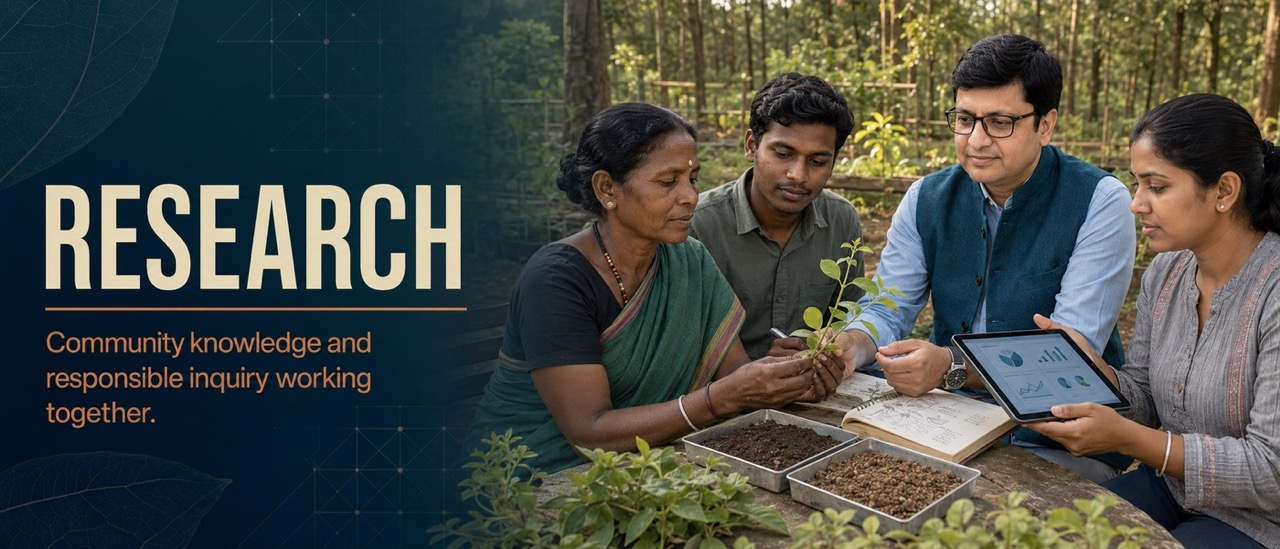
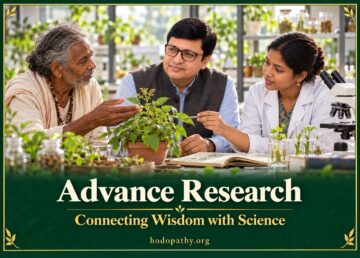
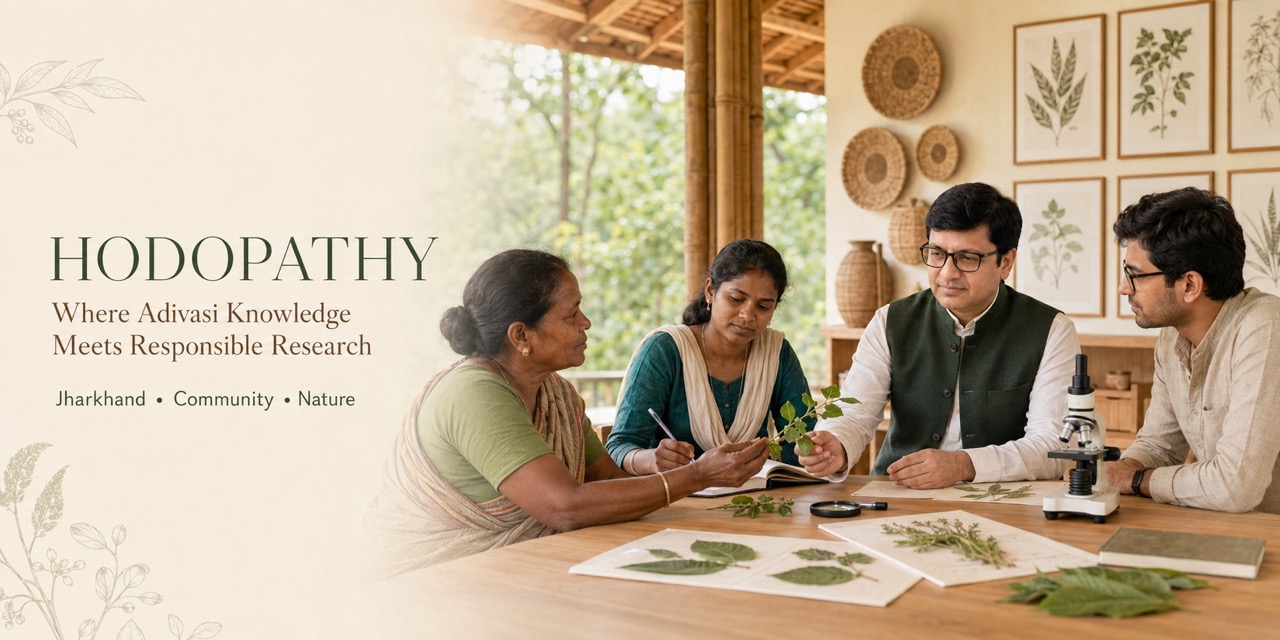
Advance Research Connecting Wisdom with Science Every meaningful discovery begins with a thoughtful question. In Hodopathy, those questions emerge from the relationship between people, plants and the knowledge passed through generations. Adivasi knowledge holders bring experience grounded in local landscapes,...
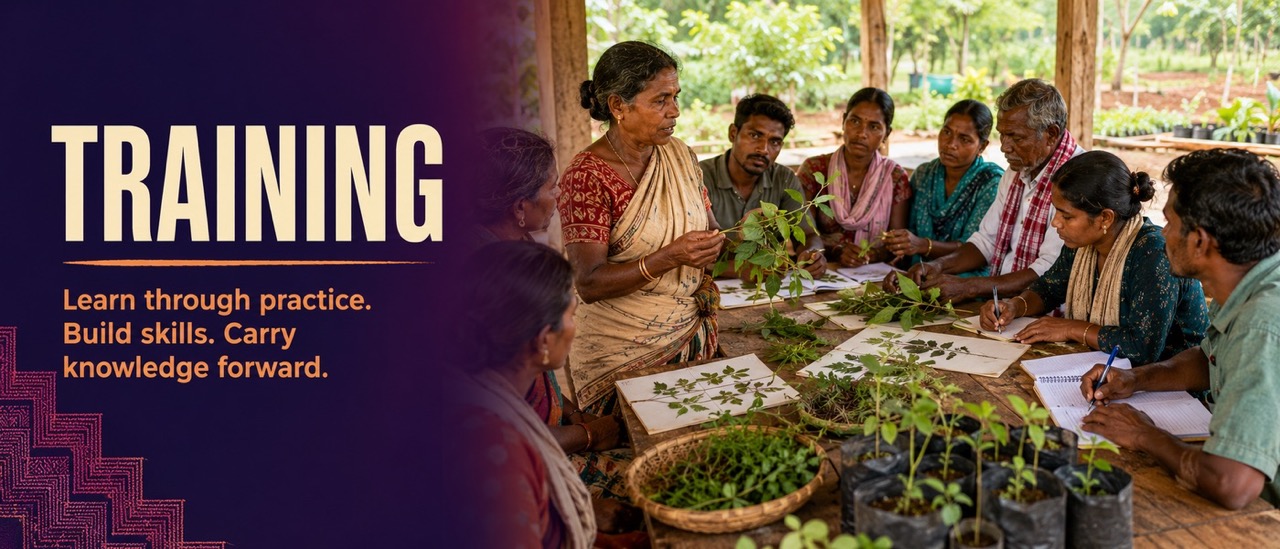
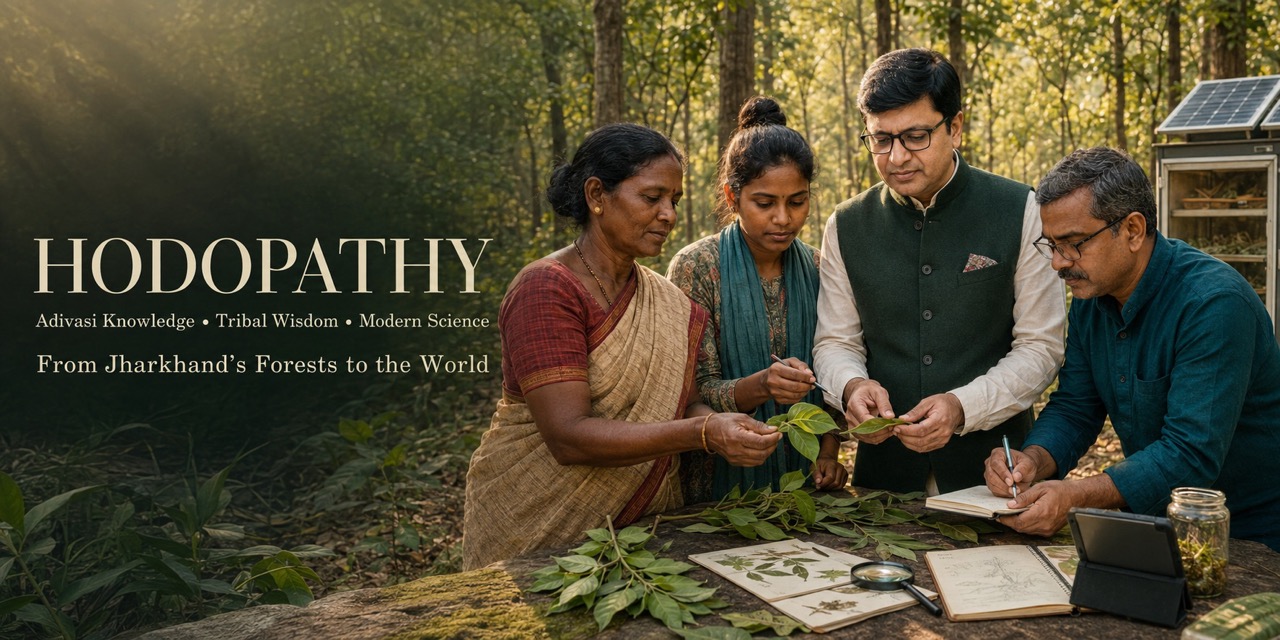
Protect Plants Conserving Native Plant Heritage Every plant belongs to a larger story—of soil, water, seasons and the people who understand its place in nature. Protecting native plants helps preserve biodiversity and the knowledge, cultural traditions and livelihoods connected to...
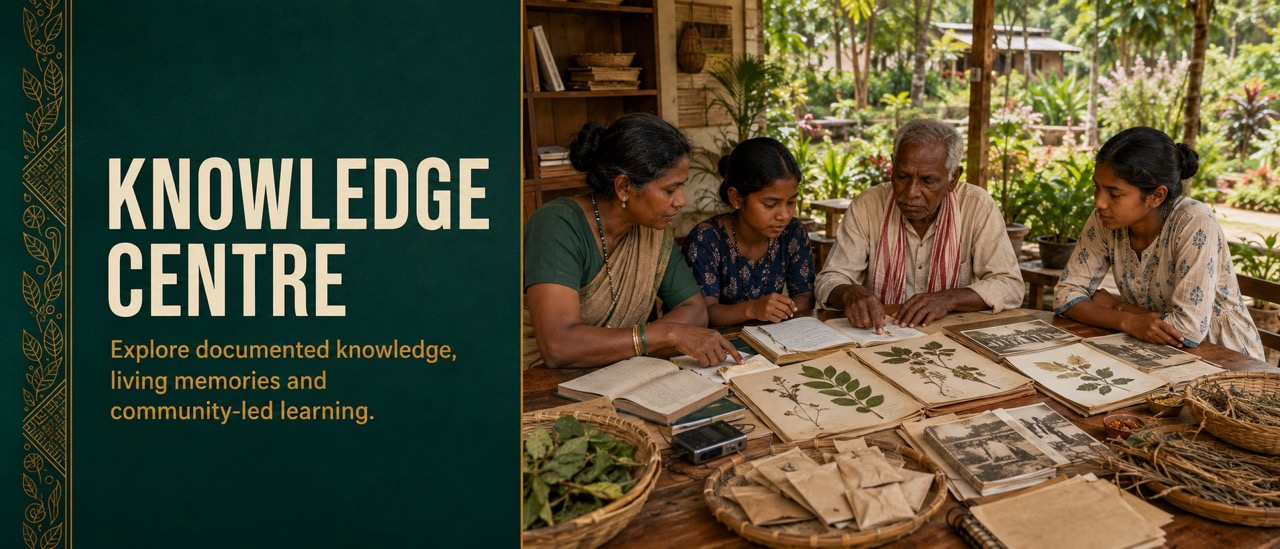
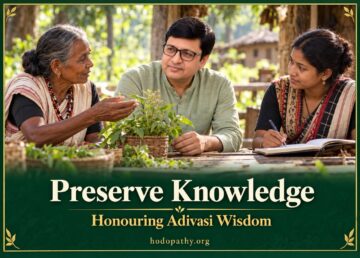
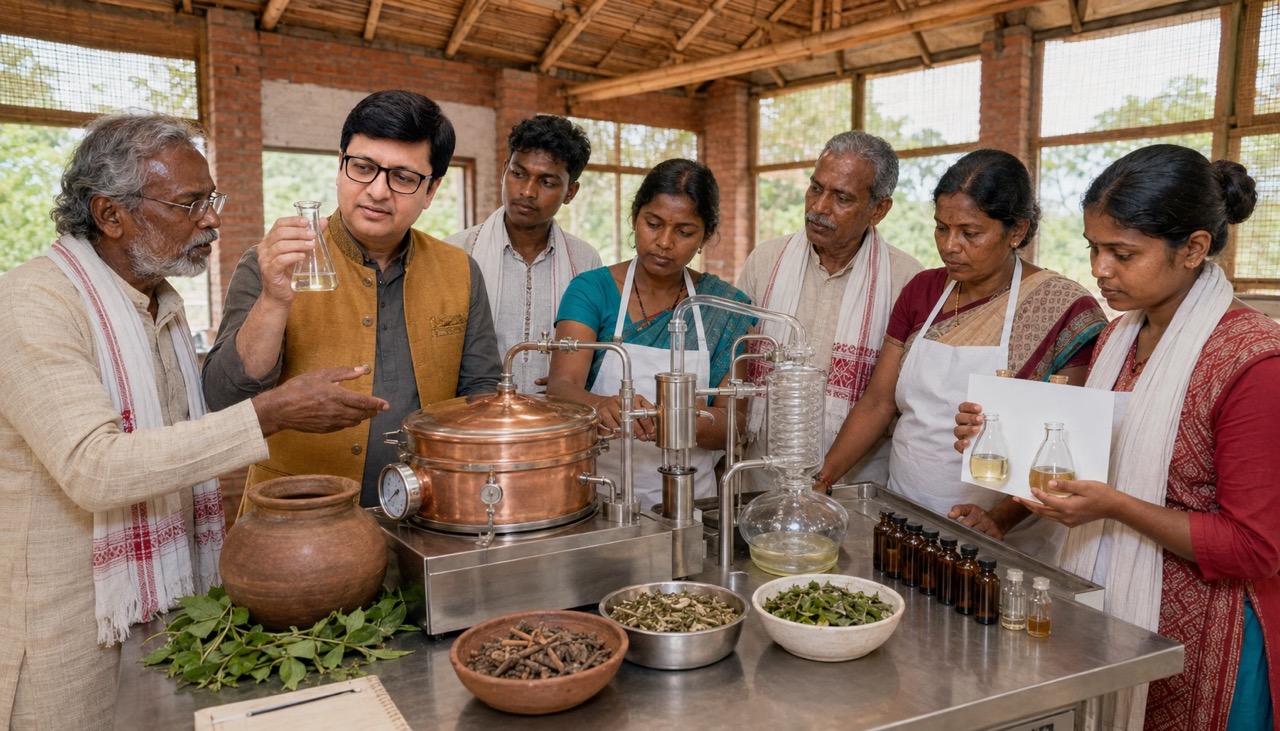
Preserve Knowledge Honouring Adivasi Wisdom. Keeping a Living Heritage Alive. Knowledge lives in people—in the names they give plants, the stories they share, the seasons they observe and the lessons they pass to their children. Across Jharkhand’s Adivasi communities, generations...
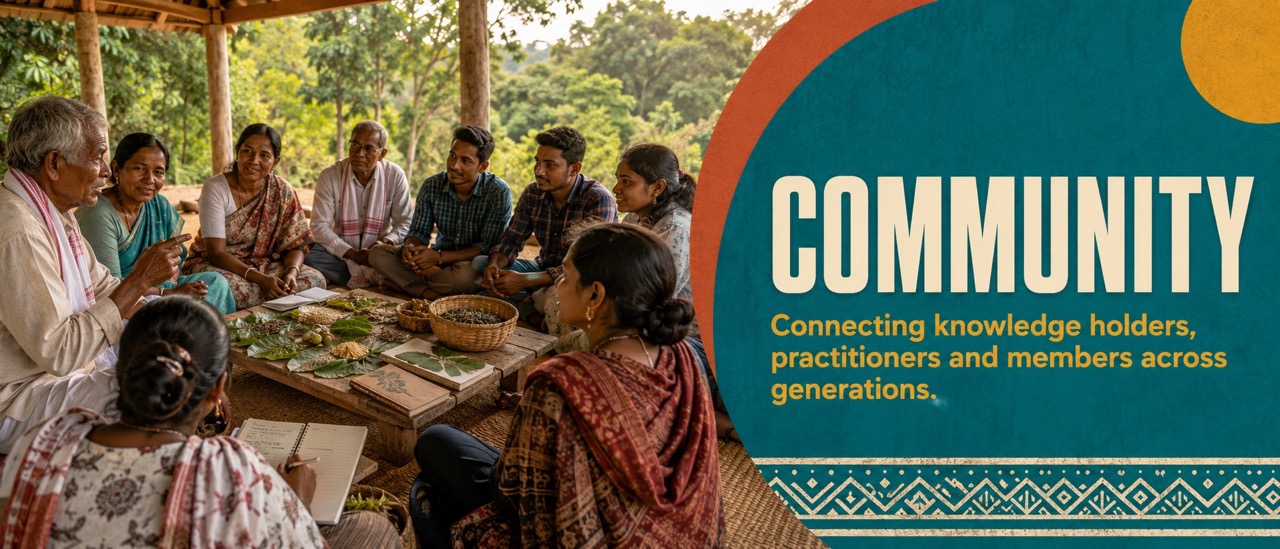
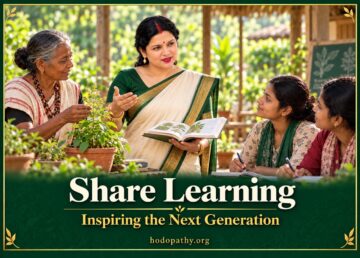
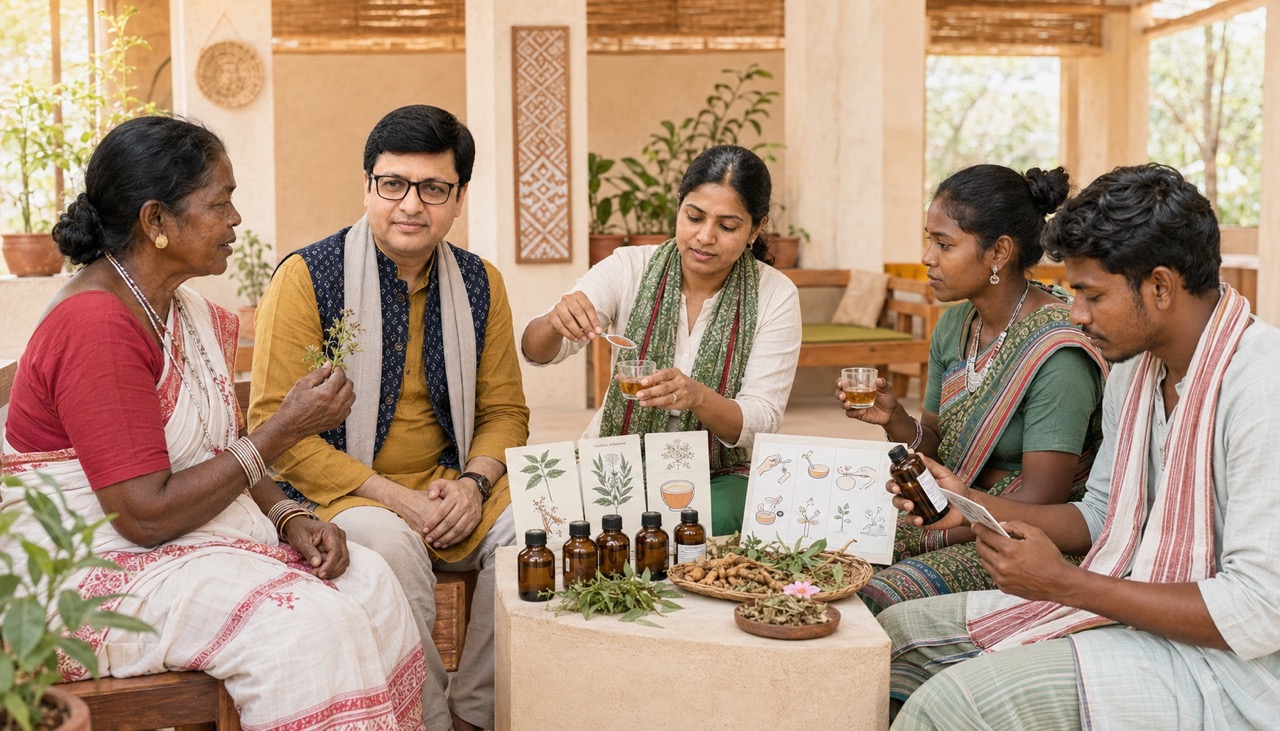
Share Learning Inspiring the Next Generation Knowledge stays alive when people have opportunities to share it, question it and carry it forward with care. For generations, Adivasi communities have passed their understanding of plants, forests and seasonal life through conversations,...
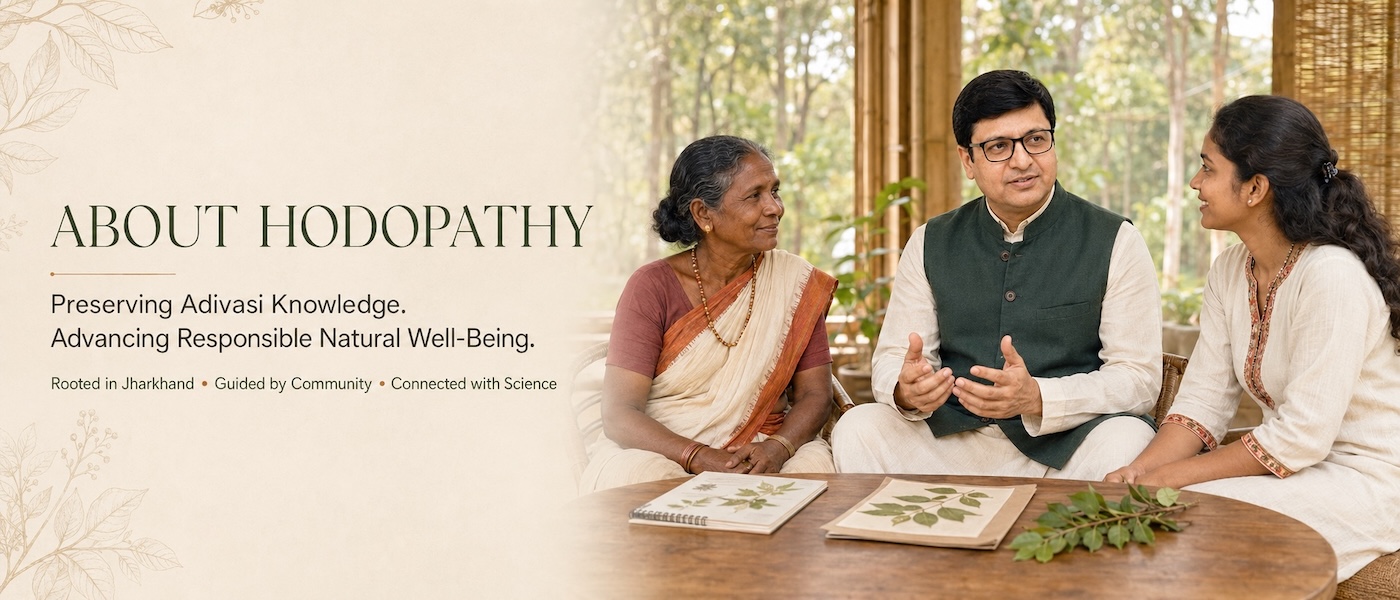
Rooted in the tribal heartland of Jharkhand, Hodopathy is a community-centred initiative for preserving indigenous plant knowledge, protecting cultural heritage and encouraging responsible scientific study.
For generations, Adivasi communities, traditional practitioners, forest-dependent families and local knowledge holders have developed a close understanding of native plants, forest foods, seasonal nutrition, biodiversity and nature-based living. This knowledge has been carried through observation, lived experience, oral learning and cultural practice.
Hodopathy seeks to honour this living heritage—not by separating it from its people and forests, but by helping preserve it with consent, dignity, scientific responsibility and ecological care.
Our work connects community knowledge holders with botanists, researchers, nutrition professionals, universities, laboratories and responsible institutions. Together, we aim to document valuable traditions, study natural ingredients carefully and explore ethical, quality-focused pathways for modern natural well-being.
Rajeev Singh, Patron of Hodopathy, supports a respectful partnership between Adivasi knowledge holders and researchers to preserve Jharkhand’s native plant heritage.
What Hodopathy Represents
Hodopathy is not simply a wellness brand or a collection of natural ingredients. It is a wider platform for:
Preserving Adivasi and tribal knowledge traditions
Respecting the identity, dignity and rights of knowledge holders
Documenting local plant knowledge with informed community participation
Supporting botanical authentication and scientific evaluation
Protecting forests, biodiversity and native plant species
Encouraging sustainable livelihoods and fair community participation
Exploring responsible, traceable and quality-focused wellness solutions
At its heart, Hodopathy is a bridge between community wisdom, environmental responsibility and evidence-led innovation.
A Living Heritage of Jharkhand
Jharkhand is home to rich forests, biodiversity and diverse Adivasi cultures. Across its villages and forest landscapes, communities have preserved knowledge related to native plants, traditional foods, seasonal practices and the responsible use of natural resources.
This heritage may include an understanding of:
Native plants and forest resources
Traditional foods and seasonal nutrition
Local herbs and botanical ingredients
Sustainable collection and cultivation practices
Food, lifestyle and nature-based well-being
Conservation of forests, soil, water and biodiversity
Much of this knowledge is oral and community-based. It is shared by elders, experienced practitioners and families through practice and daily life. As lifestyles change and forests face pressure, this knowledge is at risk of being forgotten, misrepresented or used without recognition.
Hodopathy exists to help ensure that this heritage is preserved as living knowledge—connected to the people and places from which it emerged.
Rajeev Singh, Patron of Hodopathy, brings together Adivasi knowledge holders and researchers to protect Jharkhand’s tribal wisdom, native plants and forest heritage.
Community-Led Documentation
Adivasi and tribal communities are not simply sources of information. They are the custodians and rights holders of their own knowledge traditions.
Hodopathy therefore supports a community-led approach to documentation. This means respectful engagement with elders, traditional practitioners and local knowledge holders before recording, studying or communicating any knowledge.
Our approach includes:
Prior and informed community participation
Recognition of original knowledge holders
Respect for cultural identity and customary practices
Protection of confidential, sacred or restricted knowledge
Documentation of local names, cultural context and ecological relevance
Responsible preservation of oral histories and community memories
Ethical communication that does not distort or commercialise community knowledge
Knowledge should never be taken from communities without respect, consent or accountability.
Responsible Scientific Evaluation
Traditional knowledge and modern science can complement each other when both are approached with humility and responsibility.
Community knowledge offers generations of observation and lived experience. Scientific methods can help assess the identity, composition, purity, safety and consistency of natural ingredients. This is especially important when plant-based ingredients are considered for wider public use.
Hodopathy encourages:
Correct botanical identification of plant species
Authentication of natural ingredients and raw materials
Nutritional and compositional assessment
Quality, purity and contamination screening
Evaluation of safety, stability and suitability
Laboratory-backed research where appropriate
Responsible processing, hygiene, packaging and storage standards
Traceability and quality control across the supply chain
Natural does not automatically mean safe or suitable for every person. Incorrect plant identification, contamination, unsuitable combinations and unsupported claims can create genuine risks. Responsible study helps build trust, safety and credibility.
Forest Conservation and Native Plant Protection
Adivasi knowledge is deeply connected to forests and ecosystems. Forests provide food, livelihoods, cultural identity and natural resources for many communities. Protecting this knowledge therefore requires protecting the natural environments that sustain it.
Hodopathy supports:
Conservation of native and useful plant species
Sustainable harvesting of forest-based ingredients
Cultivation of selected native plants where appropriate
Protection of soil, water and biodiversity
Transparent and traceable sourcing
Community participation in conservation efforts
Awareness of the ecological value of Jharkhand’s forests
Natural wellness cannot be meaningful if it damages the biodiversity on which it depends. Human well-being and environmental well-being must progress together.
Hodopathy connects Jharkhand’s Adivasi wisdom, native forest plants and responsible research through respectful community partnership.
Fair and Respectful Partnerships
Hodopathy is guided by the principle that knowledge holders should be respected as partners in any process that draws upon their heritage.
Where community knowledge contributes to documentation, research, education or responsible value creation, Hodopathy supports:
Clear acknowledgement of knowledge holders and communities
Meaningful participation in decision-making
Protection against unauthorised use or misrepresentation
Respect for intellectual, cultural and community rights
Fair opportunities for collaboration, livelihood creation and skill development
Consideration of applicable biodiversity and benefit-sharing requirements
Ethical partnerships with universities, laboratories and responsible institutions
The purpose is not extraction. The purpose is respectful collaboration.
Natural Wellness for Modern Living
Modern lifestyles are often affected by highly processed food, irregular eating habits, stress, inadequate rest and reduced connection with nature. Hodopathy seeks to explore responsibly studied plant-based ingredients, traditional foods and nutritional approaches that may complement balanced daily living.
Its areas of interest include:
Plant-based nutritional supplements
Traditional foods and natural ingredients
Herbal and botanical wellness formulations
Everyday nutrition and vitality
Healthy and active lifestyle support
Nature-inspired personal wellness
Sustainable cultivation and responsible sourcing
Any future Hodopathy wellness product or formulation must be developed with attention to quality, safety, hygiene, traceability, scientific assessment and applicable regulatory requirements. Hodopathy does not support exaggerated, misleading or unverified health claims.
Patron’s Perspective
“Adivasi wisdom is not a relic of the past; it is a living heritage shaped through generations of harmony with forests, native plants and the natural world. Hodopathy is committed to honouring this wisdom, protecting the rights and dignity of its knowledge holders, and connecting traditional insights responsibly with modern science. Our purpose is to ensure that tribal communities remain respected and equal partners in shaping a healthier, more sustainable future.”
— Rajeev Singh, Patron of Hodopathy
Our Vision
To build a trusted national and international platform that respectfully connects Adivasi wisdom and tribal knowledge with responsible science—empowering communities, protecting forest ecosystems and advancing informed natural well-being.
Our Mission
To identify and connect Adivasi knowledge holders, traditional practitioners, researchers and responsible institutions; preserve nature-based knowledge with consent; encourage careful scientific evaluation; and explore quality-focused wellness solutions inspired by nature.
Our Commitments
Evidence Over Hype
We believe that natural ingredients require careful evaluation. Safety, purity, quality, appropriate use and evidence must come before promotion.
Consent and Community Rights
We respect community ownership, cultural identity and the right to protect confidential, sacred or restricted knowledge. Informed participation and ethical practice are essential.
Traceable and Sustainable Sourcing
We support supply systems that protect native flora, avoid unsustainable extraction and create transparency from source to final use.
Local Value Creation
We aim to encourage community-led cultivation, ethical primary processing, skills development, value addition and fair livelihood opportunities in tribal and rural regions.
Responsible Communication
We are committed to accurate, balanced and respectful communication. Traditional knowledge must never be misrepresented, sensationalised or used to make unsupported health claims.
Rajeev Singh, Patron of Hodopathy, supports the respectful documentation of Adivasi plant knowledge and responsible research in Jharkhand.
From Jharkhand’s Forests to the World
Hodopathy begins with a simple belief: India’s Adivasi and tribal knowledge should not remain isolated, undocumented or forgotten.
Beginning with Jharkhand’s forests and communities, Hodopathy seeks to bring together traditional knowledge holders, researchers, scientists, institutions and responsible partners. It aspires to preserve cultural and ecological heritage, encourage ethical research and explore nature-based wellness opportunities that remain accountable to communities and ecosystems.
Hodopathy — Adivasi Wisdom, Tribal Knowledge and Responsible Science for Natural Well-Being.