
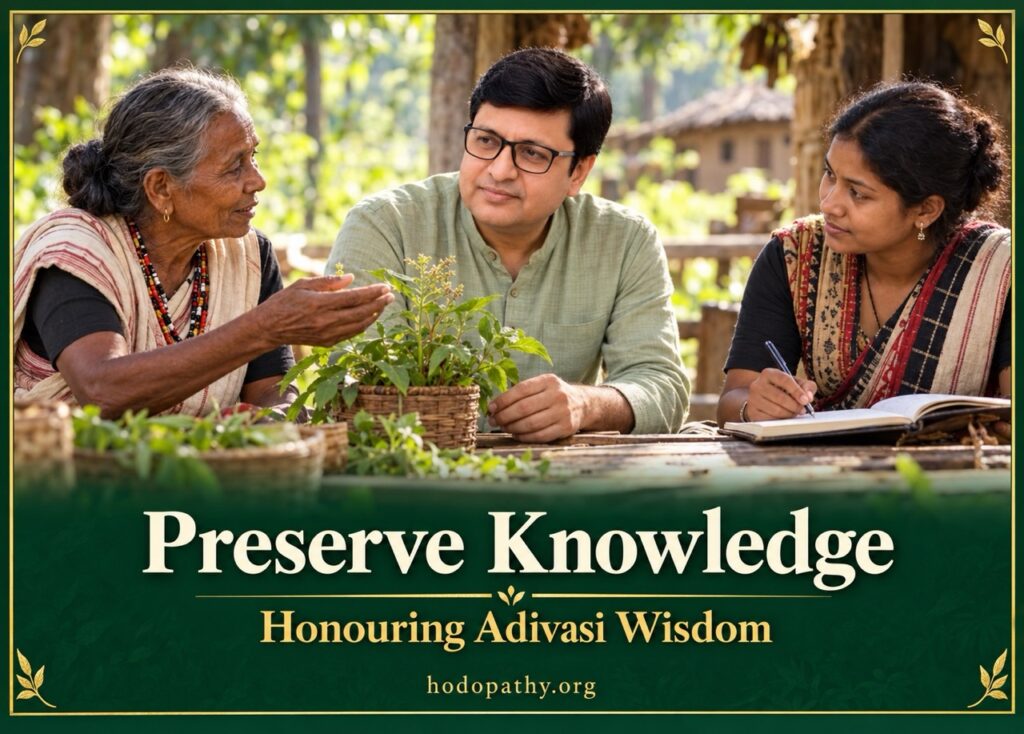
Preserve Knowledge
Honouring Adivasi Wisdom. Keeping a Living Heritage Alive.
Knowledge lives in people—in the names they give plants, the stories they share, the seasons they observe and the lessons they pass to their children.
Across Jharkhand’s Adivasi communities, generations have developed a close understanding of forests, native plants, traditional foods and nature-based ways of living. Much of this wisdom is carried through oral traditions and everyday practice. Its preservation depends on listening to the people who hold it and respecting the communities to which it belongs.
Hodopathy seeks to help preserve this living heritage through community-led documentation, responsible digital preservation and learning across generations.
Our purpose is to keep knowledge connected to its people, language, cultural meaning and natural surroundings.
Why Preservation Matters
When an elder passes away without an opportunity to share their knowledge, more than a collection of plant names may be lost. Stories, local expressions, ecological observations and generations of experience can disappear with them.
Changing livelihoods, declining contact between generations and pressure on natural habitats make this work increasingly urgent. Younger people need opportunities to learn from experienced knowledge holders, while communities need meaningful control over how their heritage is recorded and shared.
Preservation begins with a simple commitment: listen carefully, document faithfully and give credit where it belongs.
What We Aim to Preserve
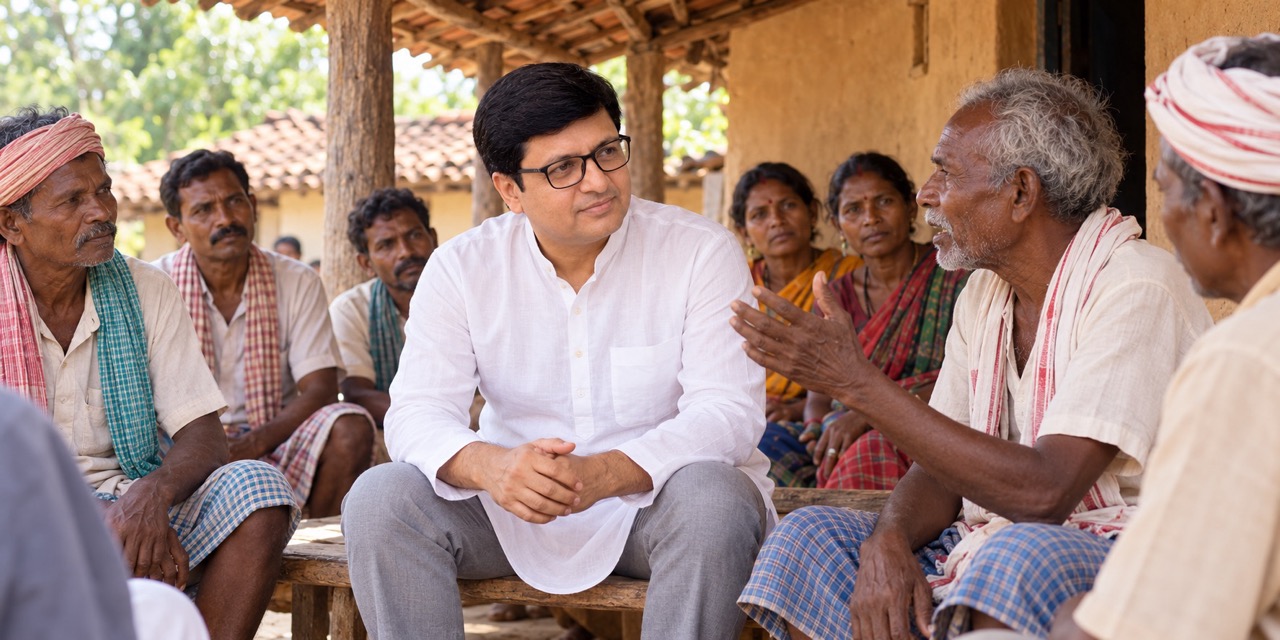
Hodopathy’s documentation efforts focus on the relationships between people, plants and their environment.
- Oral histories and community memories: Experiences and stories shared by elders and traditional knowledge holders.
- Native plant knowledge: Local names, identifying features, habitats, seasonal patterns and culturally significant uses.
- Traditional food and forest knowledge: Understanding of local foods, seasonal diversity and practices passed through families.
- Conservation practices: Community approaches to caring for plants, protecting habitats and using natural resources responsibly.
- Language and cultural context: Words, expressions and meanings that help explain knowledge in its original setting.
Each account deserves to be recorded in context, with clear attribution and respect for what the contributor chooses to share.
Preserving Knowledge with Communities
Adivasi knowledge holders are the custodians of this heritage. Their participation must guide the documentation process.
Our approach centres on conversations with elders, practitioners and community members. Before recording, the purpose of the work, the intended audience and the proposed use of the material should be explained clearly in a language contributors understand.
Contributors should have an opportunity to review how their words and experiences are represented. Where accounts differ between families or communities, those differences should be acknowledged.
Not all knowledge belongs in a public archive. Sacred, confidential or restricted knowledge must be respected. Permission to record an interview should never be treated as permission for unrestricted publication or commercial use.
From Oral Traditions to Lasting Records
Digital tools can help safeguard knowledge when they support community priorities. With appropriate consent, written accounts, audio recordings, photographs and video interviews can preserve both information and the voices behind it.
Hodopathy’s wider vision includes a knowledge archive and future publications that bring together community histories, plant knowledge and field experiences. Materials intended for public access should be reviewed for accuracy, cultural sensitivity and suitability before publication.
A useful record should explain who shared the knowledge, its cultural and ecological context, and the permissions governing its use. Preserving these details helps future readers understand the account responsibly.
Connecting Documentation with Research
Documenting a traditional practice records a community’s knowledge and experience. It does not, by itself, establish the safety or effectiveness of a health-related use.
Hodopathy encourages a careful connection between documentation and scientific inquiry. Plant identification, botanical authentication and appropriate research can help investigate recorded knowledge while respecting its origins.
Traditional accounts, research findings and questions that remain unanswered should be clearly distinguished. This allows cultural preservation and responsible scientific study to progress together.
Keeping Knowledge Alive Through Learning
An archive has lasting value when it also supports learning.
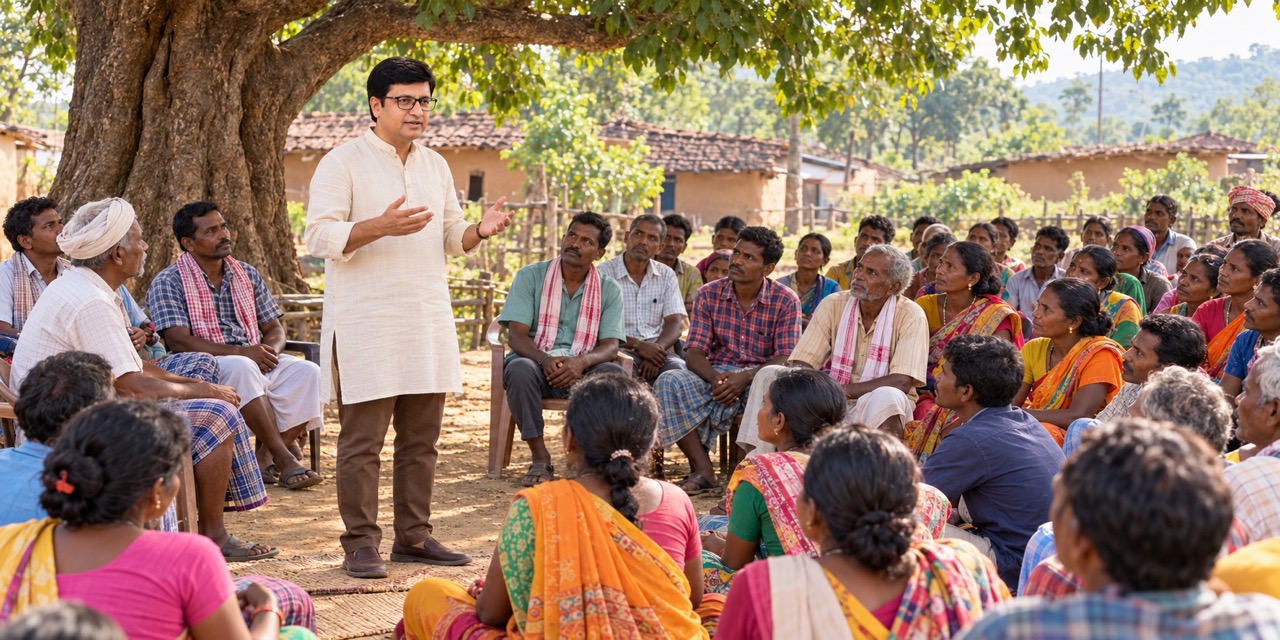
We aim to encourage respectful exchanges between elders, young people, students and researchers. Community conversations, guided plant-learning sessions and educational resources can help younger generations understand both the knowledge and the responsibilities that accompany it.
The people who preserve this wisdom should remain visible as teachers, contributors and partners. Their voices belong at the centre of the story.
Be Part of the Preservation Effort
If you are a traditional knowledge holder, community elder, student, researcher or someone interested in safeguarding indigenous heritage, we invite you to connect with Hodopathy.
You can help by introducing willing knowledge holders, supporting local-language documentation, contributing to plant identification or assisting with community learning and conservation activities.
Together, we can help ensure that valuable knowledge is carried forward with dignity, accuracy and respect.
Preserve the knowledge. Honour its custodians. Inspire the next generation.
Contact: care@hodopathy.org