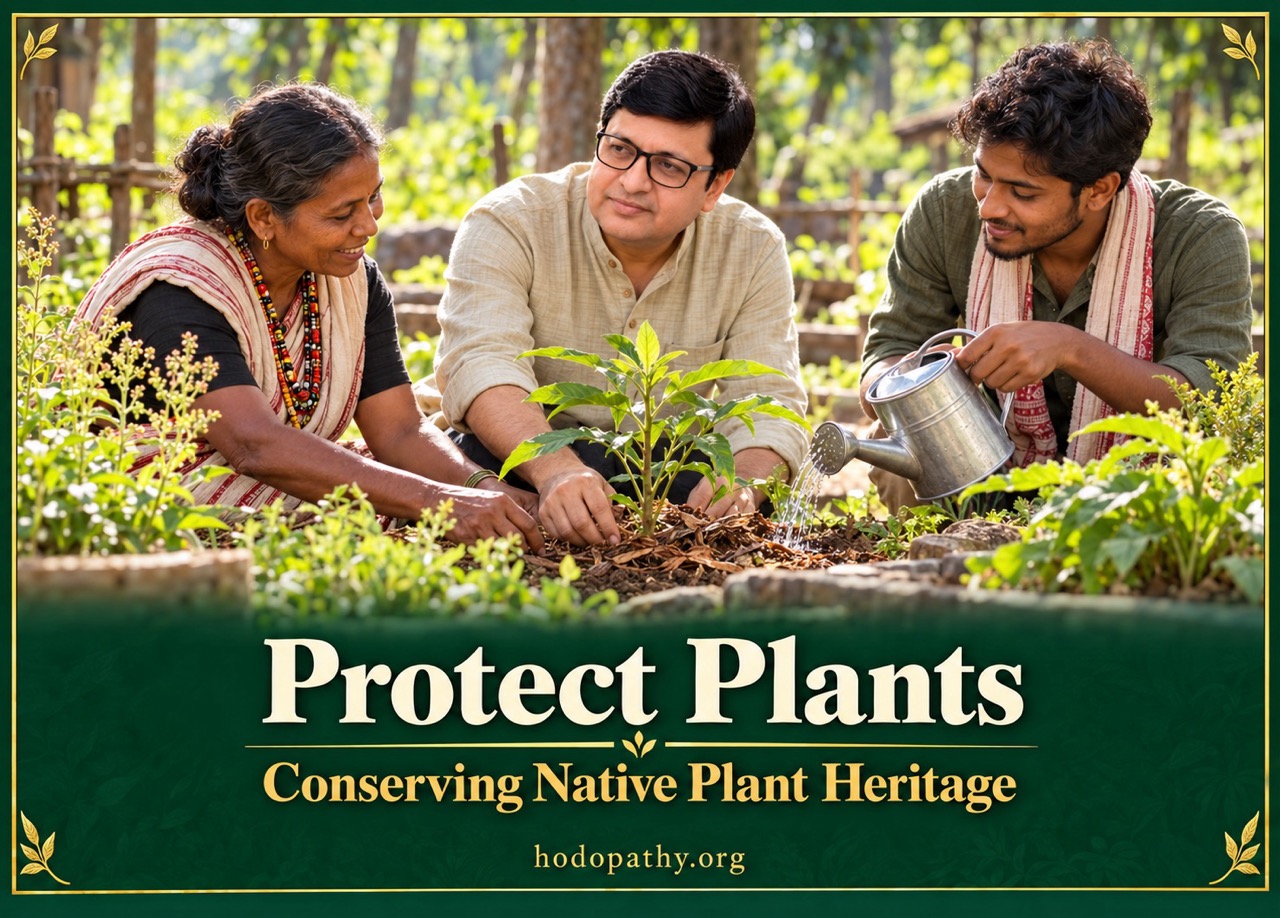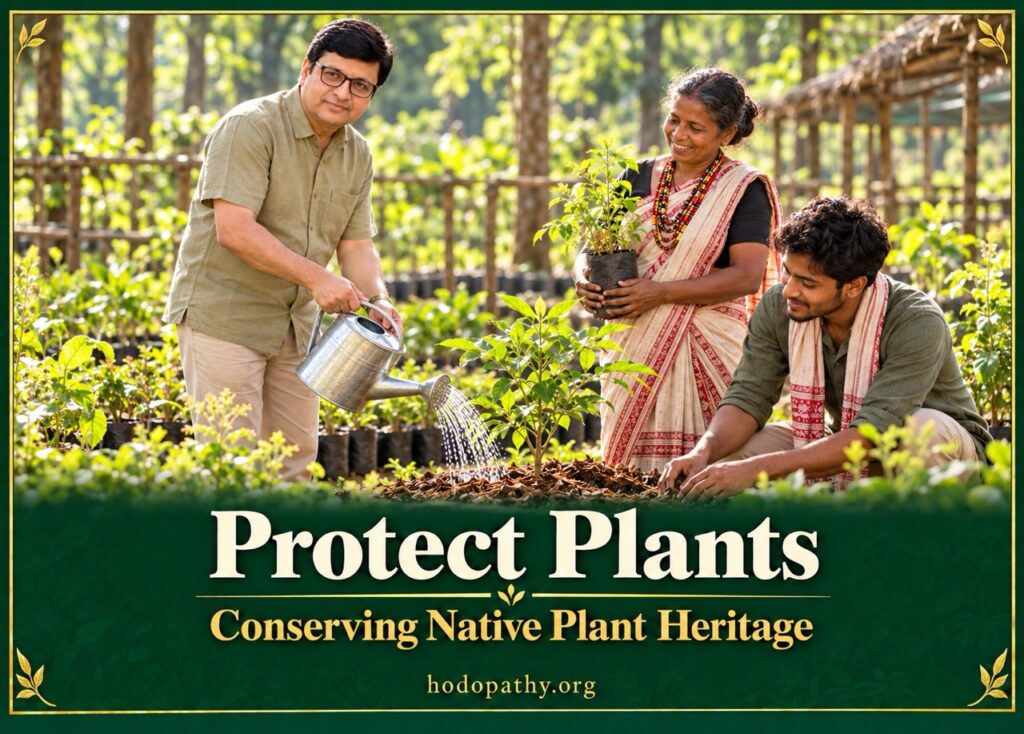
Protect Plants
Conserving Native Plant Heritage
Every plant belongs to a larger story—of soil, water, seasons and the people who understand its place in nature. Protecting native plants helps preserve biodiversity and the knowledge, cultural traditions and livelihoods connected to them.
For Hodopathy, plant conservation is an essential part of safeguarding Adivasi heritage. Traditional knowledge cannot remain a living practice if the plants and habitats that sustain it disappear.
Our mission is to bring communities, knowledge holders, young people and researchers together to protect native plants and encourage their responsible care.
Protecting the Roots of Living Knowledge
Across Jharkhand, Adivasi communities hold valuable knowledge about local plants, their habitats, seasonal growth and traditional significance. This understanding offers an important starting point for conservation.
Habitat disturbance, unsustainable collection and the loss of opportunities to pass knowledge between generations can put this heritage under pressure. Protecting plants requires attention to both their natural surroundings and the communities connected to them.
Hodopathy seeks to support conservation that respects local experience and draws on sound botanical guidance.
Our Conservation Priorities
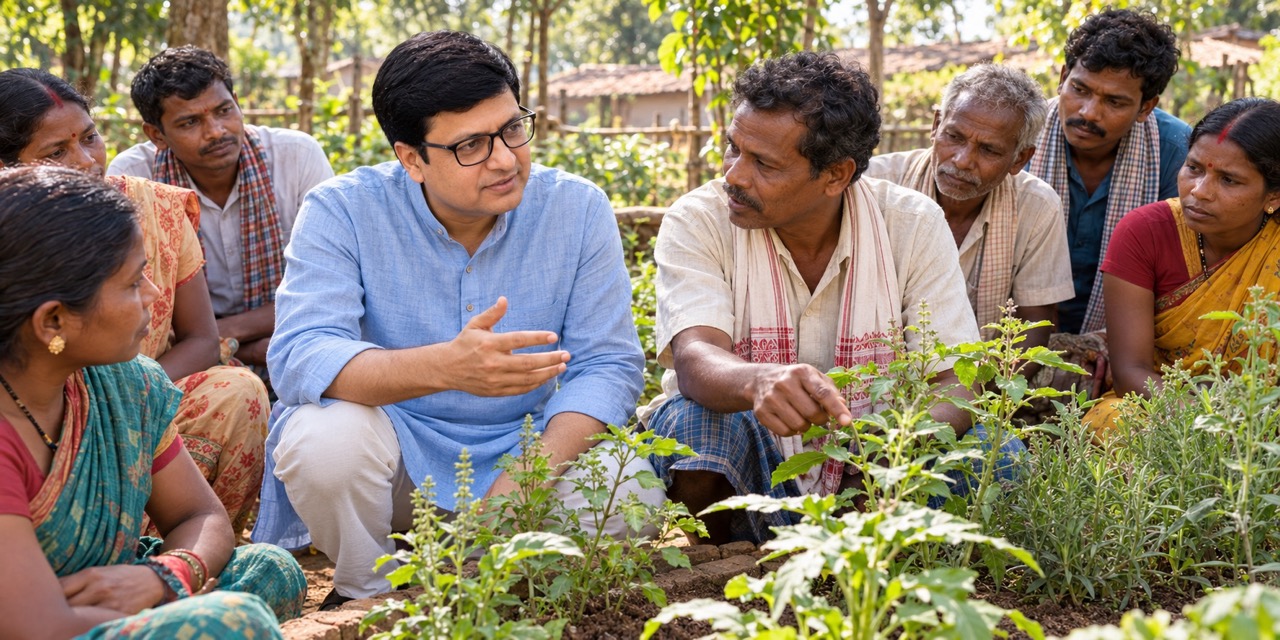
Our approach focuses on practical activities that communities and collaborators can help shape:
- Native plant protection: Encourage the conservation of locally occurring species and the habitats that support them.
- Medicinal-plant heritage: Document culturally significant plants while distinguishing traditional accounts from scientifically established findings.
- Herbal gardens and nurseries: Support learning spaces for responsibly sourced plants, propagation and conservation education.
- Responsible cultivation: Encourage suitable cultivation practices that may help reduce pressure on wild populations.
- Community participation: Involve knowledge holders, women, young people and local institutions in planning and caring for conservation spaces.
Conservation choices should reflect local ecology, reliable species identification and the needs of participating communities.
Begin with Correct Identification
A local name can carry valuable cultural meaning, but names may differ between villages and languages. Similar-looking plants may also belong to different species.
Responsible conservation therefore begins with careful identification. Community knowledge and botanical expertise can work together to record local names, identifying features, habitats and seasonal patterns.
Where identification remains uncertain, that uncertainty should be recorded. Accurate records make conservation, education and any later research more useful.
Protect Habitats Alongside Plants
A plant depends on more than the patch of ground where it grows. Soil conditions, moisture, shade, pollinators and surrounding vegetation all influence its survival.
Gardens and nurseries can support conservation and learning, but they cannot fully replace natural habitats. Hodopathy’s vision includes encouraging care for the forest patches, community spaces and other landscapes where native species grow.
The aim is to help plants thrive within healthy ecological relationships.
Grow with Care, Collect Responsibly
Cultivation can create opportunities to learn about native plants and support their continued availability. It should begin with suitable species, responsibly obtained planting material and guidance appropriate to local conditions.
Collection from the wild requires particular care. A plant’s abundance, growth cycle and ability to regenerate must be considered before any harvesting activity. Community permissions and applicable requirements should also guide decisions.
Where a species is scarce, vulnerable or not confidently identified, protecting it should take priority over collecting it.
Hodopathy encourages a conservation-first approach, with botanical advice where needed and respect for community stewardship.
Gardens That Teach and Preserve
A well-planned plant garden can become a place where generations learn together.
Elders can share local names and cultural context. Students can observe growth and seasonal changes. Researchers can assist with identification and documentation. Community members can develop practical experience in propagation and plant care.
Hodopathy seeks to encourage gardens and nurseries that combine conservation with education. Clear records, suitable planting conditions, and ongoing maintenance are essential to keeping these spaces useful over time.
Communities at the Centre
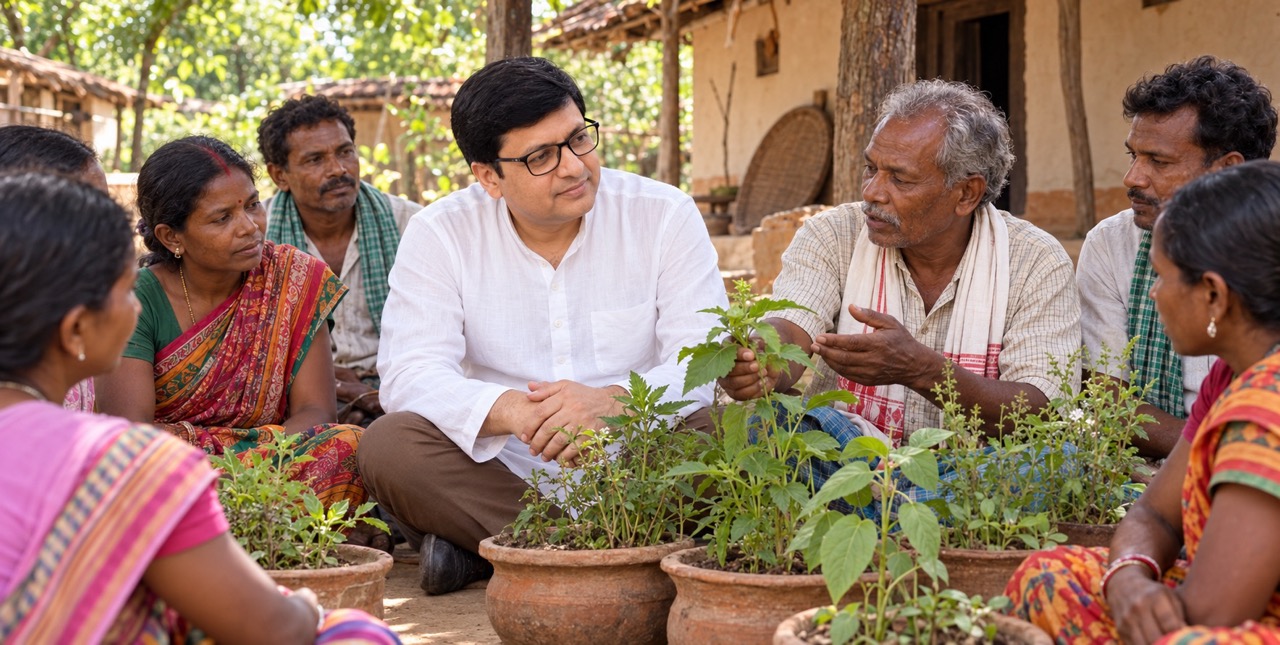
Plant heritage is closely connected to the people who have cared for and learned from it.
Conservation efforts should recognise knowledge holders as partners. Their contributions deserve acknowledgement, and decisions about recording or sharing their knowledge should be made with informed participation.
Women and young people also have an important role in sustaining conservation activities. Creating opportunities for them to participate can strengthen continuity between generations and support lasting community ownership.
Be Part of Plant Conservation
You can contribute by helping care for a community garden, supporting reliable plant documentation, sharing knowledge with consent or connecting conservation efforts with botanical expertise.
We welcome collaboration with Adivasi knowledge holders, students, educators, researchers, institutions and community organisations interested in protecting native plant heritage.
When we protect plants, we help preserve the living foundations of knowledge for future generations.
Contact: care@hodopathy.org