
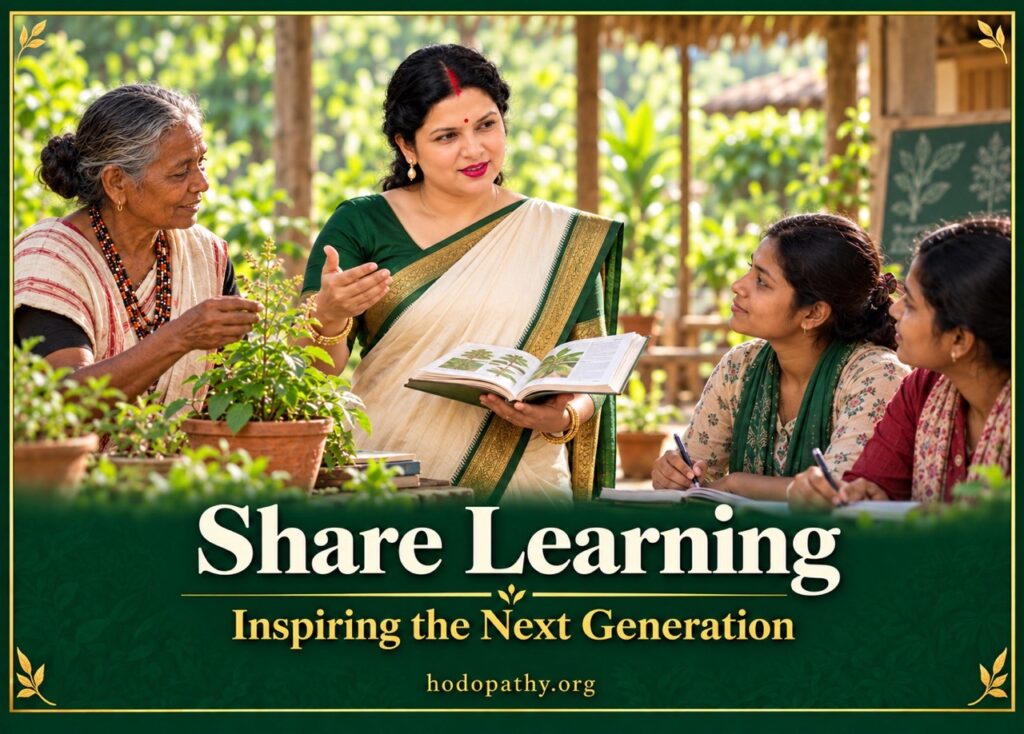
Share Learning
Inspiring the Next Generation
Knowledge stays alive when people have opportunities to share it, question it and carry it forward with care.
For generations, Adivasi communities have passed their understanding of plants, forests and seasonal life through conversations, observation and everyday practice. Elders, family members and experienced knowledge holders have been teachers, connecting younger generations with the natural world around them.
Hodopathy seeks to support this exchange through community learning, guided plant education and respectful dialogue between generations.
Our purpose is to help people learn from one another while recognising the communities, cultures and landscapes from which this knowledge comes.
Learning Across Generations
An elder’s account can reveal more than a plant’s name. It may explain where the plant grows, how it changes with the seasons and why it matters to a community.
Creating space for these conversations allows young people to learn directly from experienced knowledge holders. It also gives elders an opportunity to shape how their knowledge is understood and represented.
Hodopathy aims to encourage exchanges where participants can listen, ask questions, compare observations and build understanding together. Local languages and cultural context are essential parts of that learning.
What We Aim to Share
Our learning priorities connect cultural heritage with practical environmental awareness:
- Native plant awareness: Learning local names, observable features, habitats and the importance of reliable identification.
- Adivasi knowledge and oral histories: Understanding the experiences, stories and traditions shared by willing knowledge holders.
- Conservation and plant care: Exploring nursery practices, propagation and the care of suitable native plants.
- Responsible documentation: Learning how to record accounts accurately, seek permission and acknowledge contributors.
- Research awareness: Understanding the difference between traditional accounts, observations and scientific findings.
- Community stewardship: Encouraging shared responsibility for gardens, biodiversity and cultural heritage.
These subjects lay the foundation for community-driven learning activities with appropriately qualified contributors.
Learning Through Observation and Participation
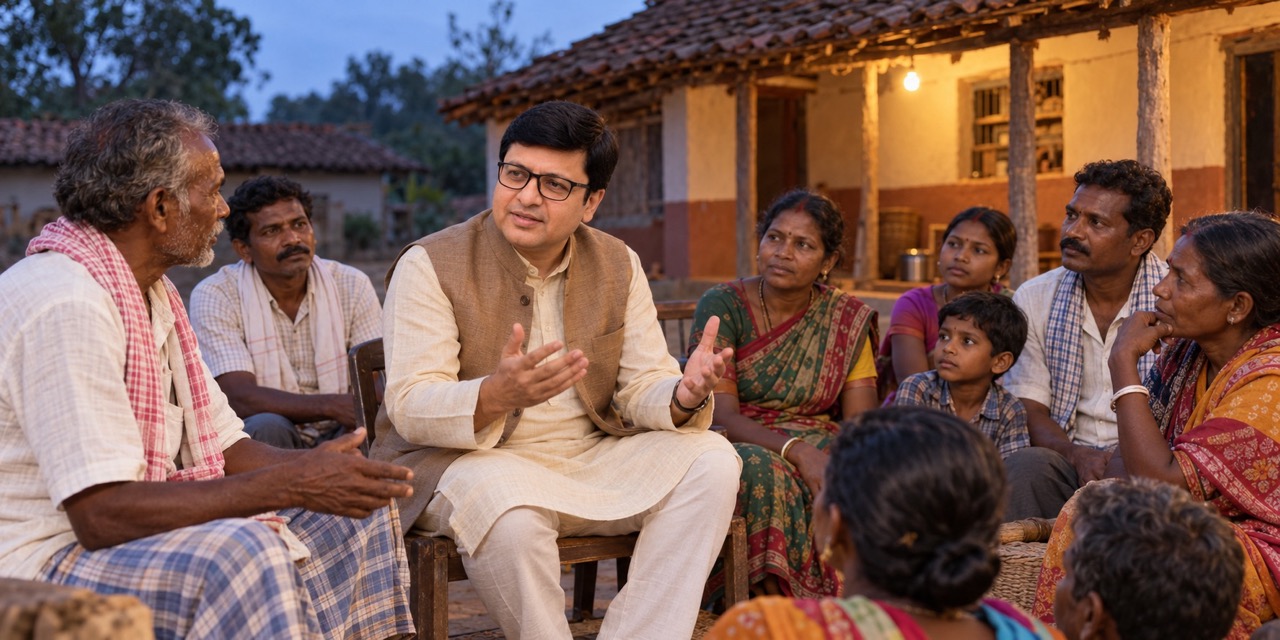
A garden, nursery or community meeting space can become a valuable place of learning.
Guided plant walks can encourage participants to observe differences in leaves, growth patterns and habitats. Garden activities can introduce suitable methods of plant care. Conversations with elders can bring cultural meaning to those observations, while documentation exercises can help learners record information thoughtfully.
Hodopathy’s vision includes workshops, community discussions, field-learning sessions and educational resources that connect these experiences.
Activities should match the needs of participants, the local environment and the expertise available. The aim is to build understanding through careful observation, dialogue and appropriate hands-on participation.
Knowledge Holders as Teachers and Partners
The people who preserve traditional knowledge should have a meaningful role in deciding how it is taught.
Hodopathy encourages learning activities that acknowledge knowledge holders, respect their time and allow them to choose what they wish to share. Participation should be voluntary, and permission should be sought before recording, photographing or publishing their contributions.
Some knowledge may be private, sacred or restricted. Educational interest does not override those boundaries.
Respectful learning begins with respect for the person sharing the knowledge.
Creating Opportunities for Women and Young People
Women and young people can help strengthen the continuity of community knowledge.
Learning spaces should make it easier for them to participate, contribute their experiences and develop confidence in asking questions. Women knowledge holders should be recognised for their expertise, while young participants should have opportunities to assist with documentation, garden care and conservation activities.
Hodopathy seeks to encourage participation that grows into lasting involvement. A learner may become a careful recorder of oral histories, a committed garden volunteer or a future researcher working alongside their community.
Connecting Community Experience with Scientific Understanding
Traditional knowledge and scientific education can enrich a learning programme when their contributions are explained clearly.
Community members can share cultural context and lived experience. Botanists and other qualified specialists can assist with identification, ecological understanding and research methods. Together, they can help learners recognise both the value of knowledge and the importance of examining questions carefully.
Learning about a plant’s traditional significance does not establish that it is safe to consume or use as a treatment. Educational activities should focus on understanding, conservation and responsible inquiry.
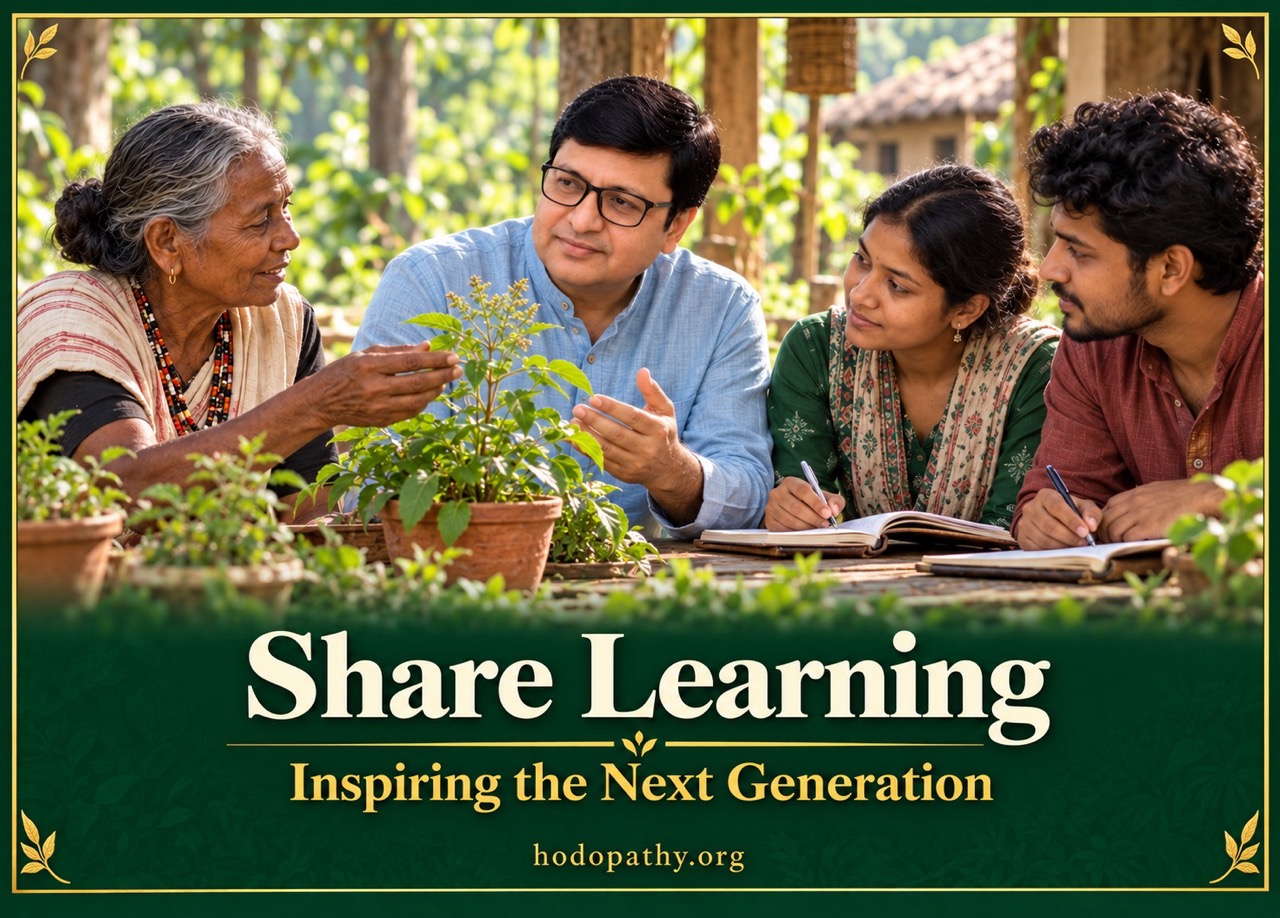
Resources That Carry Learning Forward
A useful learning experience should leave participants with something they can reflect on and share responsibly.
Hodopathy aims to develop accessible resources such as illustrated plant guides, community stories, learning notes and digital materials. Where appropriate, these should include local-language information and clear acknowledgement of contributors.
Resources should distinguish verified information from accounts that require further investigation. Materials intended for wider publication should be reviewed for accuracy, permissions and cultural sensitivity.
Digital access can extend learning, while direct community interaction keeps it connected to people and place.
Join the Learning Community
We welcome interest from Adivasi knowledge holders, students, educators, researchers, volunteers and community organisations.
You can contribute by sharing knowledge with consent, helping organise a learning session, supporting local-language resources or participating in garden and conservation activities. Institutions can explore opportunities to develop educational programmes with community partners.
When we share learning with care, we help the next generation inherit both knowledge and the responsibility to protect it.
Contact: care@hodopathy.org