
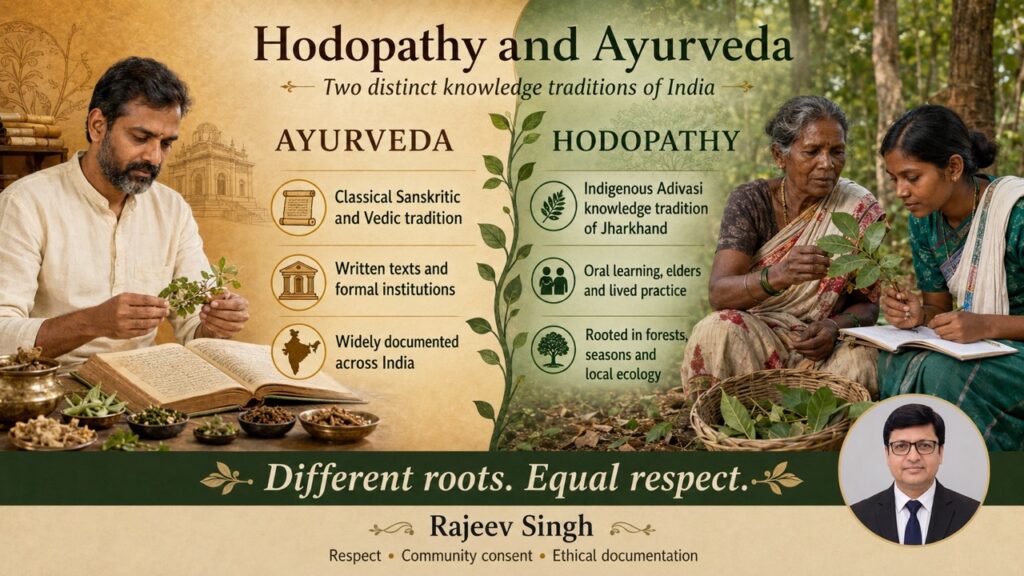
By Rajeev Singh
India is home to many streams of knowledge that have developed over thousands of years. Its traditions of health, food, farming, forests, spirituality and community wellbeing have not come from one source alone. They have been shaped by classical Sanskritic traditions, indigenous Adivasi communities, local folk practices and generations of lived experience.
Among these traditions, Ayurveda and Hodopathy are often compared because both involve plants, natural resources, food habits and wellbeing. However, they are fundamentally different in their cultural roots, methods of transmission, language, geography and relationship with community life.
Ayurveda developed within the ancient Sanskritic and Vedic cultural stream of India, historically often described as the Aryan tradition. It became a classical and codified system of health knowledge, documented through texts such as Charaka Samhita, Sushruta Samhita and Ashtanga Hridaya. It includes organised concepts of body constitution, including Vata, Pitta and Kapha; diet; lifestyle; seasonal discipline; herbs; therapies; and preventive wellbeing.
Over time, Ayurveda developed a formal structure of learning and practice. Today, it is taught through recognised colleges, universities and professional institutions. It has written literature, standardised terminology, trained practitioners and regulatory systems. Ayurveda has been studied and practised across many parts of India and the world.
Hodopathy has a different origin and character. It belongs to the indigenous Adivasi knowledge tradition, particularly connected with the Ho community and other Adivasi communities of Jharkhand. Hodopathy has emerged from generations of close living with forests, hills, rivers, soil, wildlife, seasonal foods and medicinal plants.
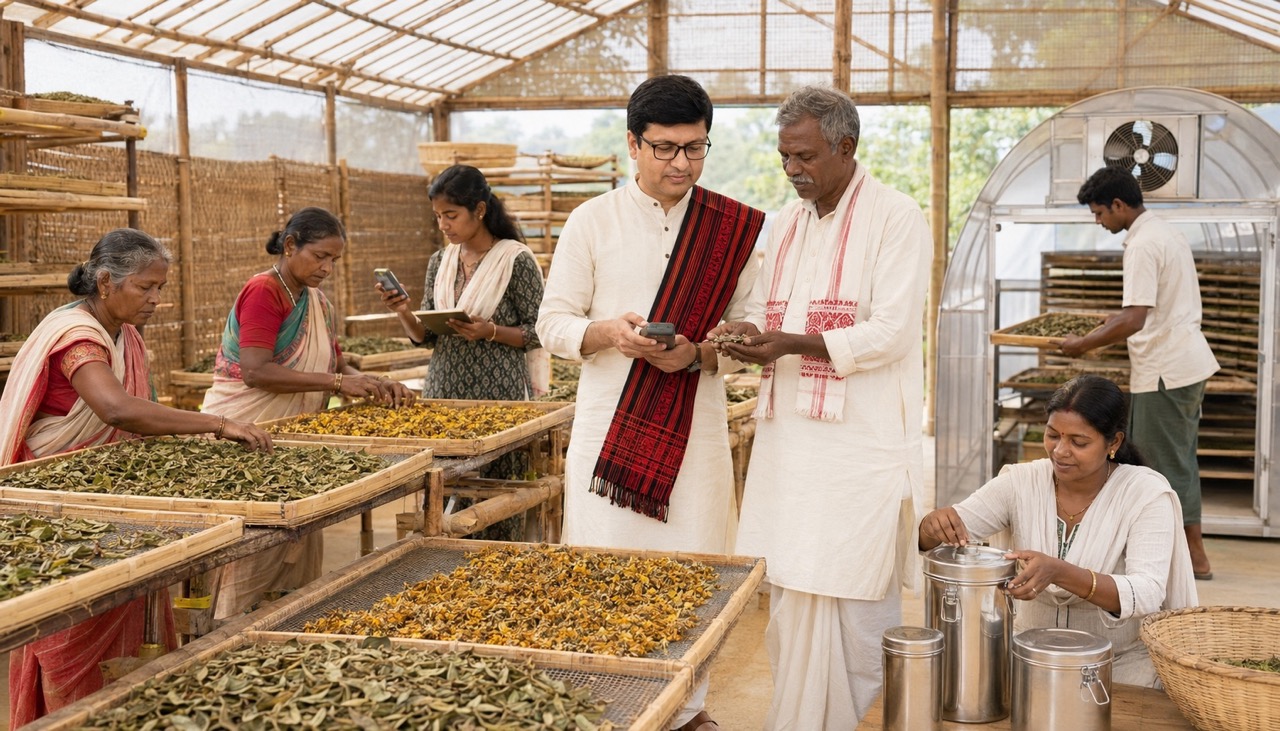
Unlike Ayurveda, Hodopathy was not mainly preserved in Sanskrit texts or formal classrooms. It has traditionally been passed orally from elders, village healers, forest knowledge holders and families to younger generations. The learning comes through observation, participation, memory, practice and responsibility towards nature.
“Hodopathy is not merely a collection of plant remedies. It is a living knowledge system that connects health with forests, food, seasons, culture and community life.”
— Rajeev Singh
A person practising or preserving Hodopathy may know the local name of a plant, where it grows, which season it is collected in, how it is prepared, and what cultural responsibility is associated with its use. This knowledge is strongly linked to local geography. A practice developed in the forests of Singhbhum or Jharkhand may not be identical to a practice found in another state or community.
The difference can be understood simply:
| Point | Ayurveda | Hodopathy |
|---|---|---|
| Cultural root | Sanskritic and Vedic classical tradition | Indigenous Adivasi tradition, especially linked to the Ho community |
| Knowledge transmission | Written texts, formal education and institutions | Oral tradition, practical learning and community knowledge holders |
| Language base | Sanskrit and later regional languages | Ho language and other local Adivasi languages |
| Nature of knowledge | Codified and widely documented system | Local, ecological and community-based living tradition |
| Geographical character | Practised widely across India | Closely connected with Jharkhand’s forests, land and Adivasi communities |
| Present recognition | Formal education and regulated practice | Requires documentation, protection and ethical recognition |
It is important not to say that Hodopathy is simply “Ayurveda of Jharkhand.” This description can unintentionally erase its separate Adivasi identity. Hodopathy has its own cultural memory, plant knowledge, ways of preparation, local vocabulary and understanding of the relationship between humans and nature.
At the same time, the purpose of recognising these differences is not to create conflict between Aryan, Sanskritic and Adivasi traditions. India’s strength lies in its diversity. Every community has contributed to the country’s knowledge, culture and relationship with nature.
“Ayurveda and Hodopathy should be respected as distinct traditions. One has been widely written and institutionalised; the other has been protected quietly by Adivasi communities through generations of lived experience.”
— Rajeev Singh
Hodopathy deserves careful preservation because much indigenous knowledge is at risk. Forest degradation, migration, loss of local languages, reduced intergenerational learning and unauthorised commercial use of traditional knowledge can weaken this heritage. When an elder passes away without documentation or transfer of knowledge, an important part of cultural memory may disappear.
The documentation of Hodopathy must therefore be ethical. Traditional knowledge holders should be recognised as contributors, not treated merely as sources of information. Their prior consent must be taken before recording or researching knowledge. Any benefit arising from research, publication, product development or commercial use should be shared fairly with the concerned communities.
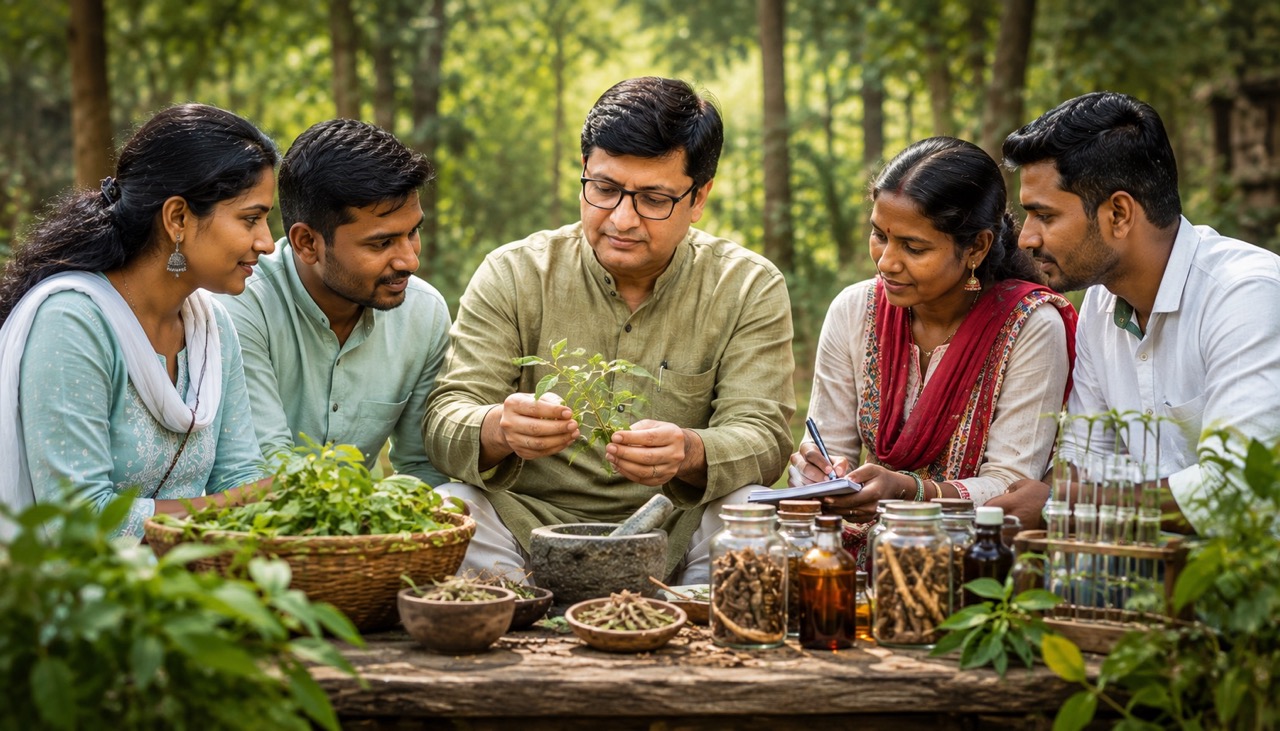
It is also necessary to maintain safety and responsibility. Hodopathy should not be promoted as a replacement for hospitals, emergency care, diagnosis or treatment by qualified doctors. Serious illness, infection, injury, pregnancy complications and chronic conditions require appropriate medical consultation. Traditional knowledge can be studied and respected while public health and patient safety remain a priority.
The future of Hodopathy lies in respectful documentation, community-led research, protection of forests, preservation of Adivasi languages, training for young people and ethical collaboration with researchers and institutions.
Protecting Hodopathy means protecting more than medicinal plants. It means protecting the dignity of Adivasi communities, the wisdom of elders, the biodiversity of Jharkhand and an ancient relationship between people and nature.
India should recognise every knowledge tradition with honesty and respect. Ayurveda represents an important classical Sanskritic health tradition. Hodopathy represents a valuable indigenous Adivasi knowledge heritage. Both have their own identity, contribution and place in the cultural richness of India.